How I Rediscovered My Body Through Beginner-Friendly Hobbies
Recovering your body doesn’t always mean intense workouts or strict diets. After feeling burnt out and physically drained, I found healing in simple, joyful activities I never thought counted as “real” recovery. Painting, walking, even humming while cooking—small hobbies brought real change. This is how I slowly rebuilt strength, energy, and peace, one gentle habit at a time. No pressure, no perfection—just progress. The journey wasn’t dramatic, but it was deep. It didn’t require expensive equipment or rigid schedules. Instead, it asked only for presence, patience, and permission to begin again. What started as distraction turned into restoration, and what felt like leisure became essential to my physical and emotional well-being.
The Hidden Cost of Modern Life on Physical Recovery
In today’s world, the human body often bears a silent burden—one that doesn’t come from physical labor, but from its absence. Many adults, especially women between 30 and 55, live in a state of constant low-grade stress, shaped by long hours of sitting, endless screen exposure, and the mental load of managing households, careers, and family needs. This lifestyle, while common, is far from neutral. It disrupts the body’s natural ability to recover and regenerate. Recovery is not only what happens after exercise; it is a daily biological process essential for tissue repair, hormonal balance, and immune resilience. When recovery fails, fatigue accumulates, muscles stiffen, sleep becomes restless, and even minor discomforts can linger for weeks or months.
Chronic stress plays a central role in this imbalance. When the nervous system remains in a prolonged state of alert, the body produces elevated levels of cortisol, a hormone designed for short-term survival but damaging in excess. High cortisol interferes with muscle repair by reducing protein synthesis and increasing inflammation. It also disrupts sleep architecture, particularly the deep, restorative stages necessary for physical healing. Over time, this creates a cycle: poor recovery leads to lower energy, which reduces motivation for movement, which further weakens the body’s resilience. Many women in this age group report feeling “worn down” not from one major illness, but from years of unaddressed physical depletion.
Yet, recovery is not solely the responsibility of doctors or fitness experts. It begins in the choices made every day—how we rest, move, and engage with our surroundings. The good news is that even small, consistent shifts can interrupt this cycle. Gentle, enjoyable activities—often dismissed as mere pastimes—can become powerful tools for restoring balance. The key lies in redefining recovery not as a medical intervention, but as a lived experience woven into daily life. By recognizing the toll of modern living, we open the door to gentler, more sustainable forms of healing.
Why Hobbies Are More Than Just Pastimes
At first glance, hobbies may seem like luxuries—pleasant diversions with no real impact on health. But science increasingly shows that engaging in enjoyable activities is not just emotionally uplifting; it is physiologically restorative. When a person participates in an activity they love, the brain releases dopamine and serotonin, neurotransmitters linked to pleasure and well-being. Simultaneously, cortisol levels drop, and the parasympathetic nervous system—the body’s “rest and digest” mode—becomes more active. This shift is not trivial. It creates the internal conditions necessary for healing: reduced inflammation, improved circulation, and enhanced cellular repair.
The concept of active rest captures this idea well. Unlike passive rest, which involves inactivity such as sleeping or lying on the couch, active rest includes low-intensity, engaging movements or creative tasks that support recovery without strain. Gardening, for example, involves light resistance work through digging and pulling, which strengthens hand grip and improves shoulder mobility. The rhythmic nature of weeding or planting also encourages steady breathing and mental focus, further calming the nervous system. Similarly, dancing to favorite music, even for just ten minutes, activates multiple muscle groups, enhances coordination, and boosts heart rate mildly—offering cardiovascular benefits without the pressure of a formal workout.
What makes hobbies especially effective is their sustainability. Because they are driven by enjoyment rather than obligation, people are more likely to stick with them over time. This consistency is crucial for long-term recovery. A 2019 study published in the Journal of Behavioral Medicine found that adults who engaged in regular leisure activities reported better physical functioning and lower levels of perceived fatigue, independent of their exercise habits. The study emphasized that the emotional satisfaction derived from these activities played a key role in their health benefits. In this way, hobbies are not distractions from health—they are integral to it.
My First Step: Choosing Low-Pressure, Accessible Activities
After recovering from a prolonged illness, I felt disconnected from my body. Simple tasks like carrying groceries or standing in the kitchen left me exhausted. I wanted to regain strength, but the idea of gyms, trainers, or structured fitness programs felt overwhelming. I associated recovery with effort, discipline, and measurable progress—benchmarks I wasn’t ready to meet. What I didn’t realize then was that healing could begin without any of those things. My turning point came when a friend gently suggested I try coloring—not as therapy, but as play. Skeptical but willing, I bought a simple coloring book and a set of pencils. Sitting at the kitchen table each evening, I began to fill in patterns, one stroke at a time.
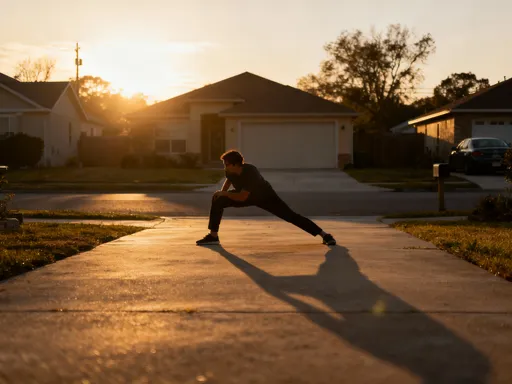
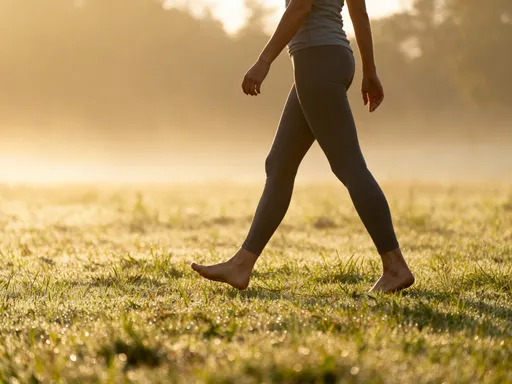
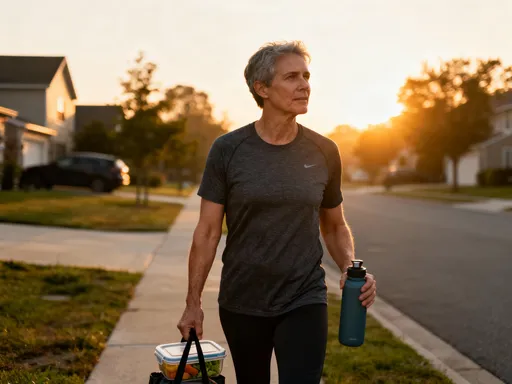
This small act did more than pass the time. It gave me a sense of control. My hands, which had felt weak and uncoordinated, began to steady. The focus required helped quiet my racing thoughts. Within weeks, I added short walks around the neighborhood, starting with just five minutes. I didn’t track steps or pace. I simply noticed the trees, the birds, the way sunlight fell on the pavement. I also began light stretching while watching evening television—gentle neck rolls, shoulder circles, seated forward bends. These movements weren’t intense, but they reminded my body that it could still move with ease.
The most important lesson I learned was the power of starting small. By choosing activities with no performance expectations, I avoided the burnout that had derailed past attempts at fitness. There was no failure in coloring outside the lines or cutting a walk short. Progress wasn’t measured in reps or miles, but in how I felt: less stiff, more present, slightly more energized. This approach allowed me to rebuild confidence alongside physical strength. Over time, these tiny habits layered into a foundation of resilience—one that didn’t depend on willpower, but on willingness.
How Creative Hobbies Gave My Body a Second Chance
Creative activities like drawing, journaling, and crafting became unexpected allies in my physical recovery. At first, I saw them as mental escapes, ways to quiet my mind. But I soon noticed physical changes I hadn’t anticipated. Holding a pen or pencil for journaling improved my hand strength and dexterity. The fine motor control required for sketching helped reawaken neural pathways that had dulled during months of inactivity. I began to open jars more easily, type with less discomfort, and even noticed my handwriting becoming steadier.
Beyond the physical, these hobbies deepened my mind-body connection. When I drew or wrote, I naturally slowed my breathing. My shoulders dropped from my ears. My jaw, which I hadn’t realized I clenched constantly, began to relax. This wasn’t meditation in the traditional sense, but it had similar effects. Focused creativity induced a state of flow—a mental absorption that lowered stress and allowed my body to reset. Researchers refer to this as the “relaxation response,” a physiological state opposite to stress, characterized by slower heart rate, reduced blood pressure, and improved oxygenation.
Over time, these subtle shifts added up. I sat taller at my desk. My neck pain, which had been a constant companion, began to fade. I attributed this not to any single action, but to the cumulative effect of regular, mindful engagement. Knitting, for instance, required repetitive hand motions that doubled as gentle physical therapy. The rhythmic clicking of needles became a form of moving meditation, synchronizing breath and movement. Even cooking, when done with attention to chopping, stirring, and tasting, became a sensory-rich practice that grounded me in my body. Creativity, I realized, wasn’t separate from physical healing—it was woven into it.
Movement-Based Hobbies That Felt Like Play, Not Work
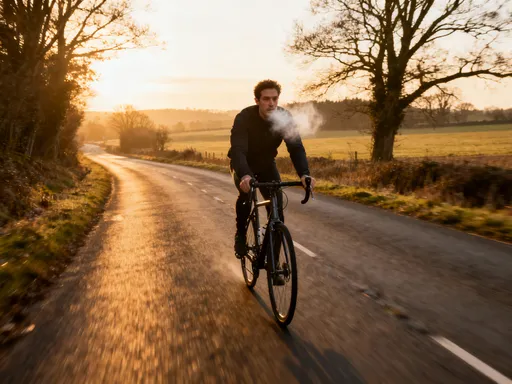
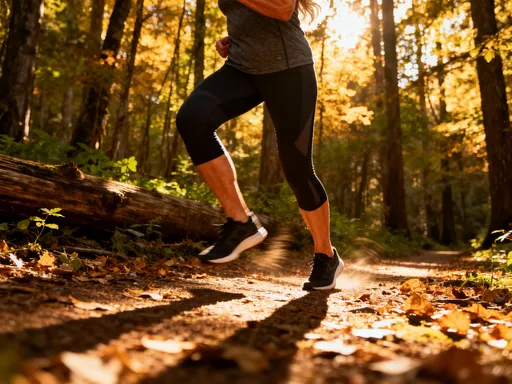
As my energy improved, I explored hobbies that involved more movement—but always with an emphasis on enjoyment, not exertion. Casual cycling on flat trails became a weekend ritual. I chose a comfortable bike with an upright seat, allowing me to take in the scenery without strain. Each ride improved my leg strength, balance, and cardiovascular endurance, but because I focused on the experience rather than the exercise, it never felt like a chore. I stopped when I wanted to, rested when needed, and celebrated the act of being outside, not the distance covered.
Tai chi was another revelation. Introduced to me by a neighbor, I joined a small outdoor class designed for beginners. The slow, flowing movements looked simple, but they required deep concentration and coordination. I learned to shift my weight gradually, align my spine, and coordinate breath with motion. Within weeks, I noticed improved joint flexibility, especially in my hips and knees. My balance, which had wavered after illness, grew more stable. Studies support these observations: research from Harvard Medical School indicates that tai chi can enhance proprioception (the body’s sense of position), reduce fall risk, and improve functional mobility in adults over 50.
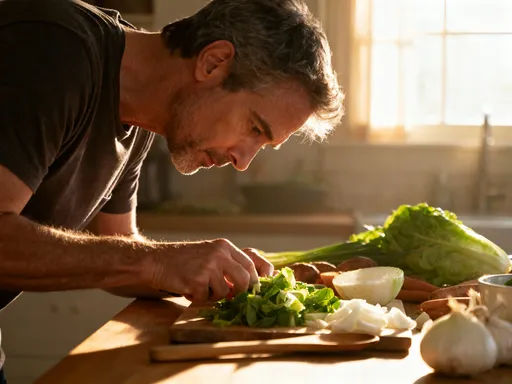
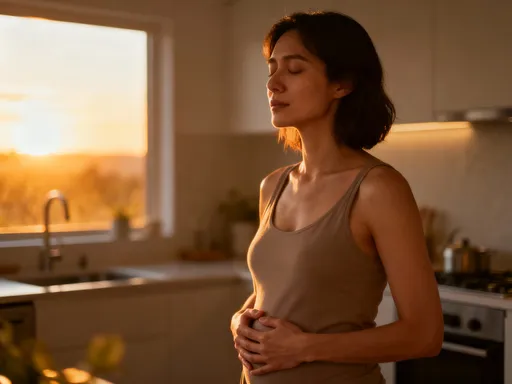
Cooking with mindful movement also became a form of gentle exercise. Chopping vegetables, stirring pots, and reaching for spices involved twisting, bending, and stretching—natural movements that kept my body fluid. I began to move more deliberately in the kitchen, noticing how each action engaged different muscles. Even washing dishes, when done slowly and with awareness, became a way to stretch my fingers and wrists. These activities didn’t replace structured exercise, but they filled the gaps—keeping me physically active throughout the day without adding pressure. The lesson was clear: movement doesn’t have to be labeled as “workout” to be beneficial. When it’s embedded in something enjoyable, it becomes sustainable.
Building a Sustainable Routine Without Overwhelm
One of the greatest challenges in recovery is consistency. Many people start strong but lose momentum when life gets busy or progress feels slow. I learned that sustainability comes not from motivation, but from integration. The most effective way to maintain a recovery-focused routine was to attach new habits to existing ones. For example, I paired light stretching with my morning coffee, doing shoulder rolls and neck stretches while the kettle boiled. I kept my coloring book on the living room table, so it was there when I sat down in the evening. I placed my walking shoes by the door, making it easier to step outside after lunch.
Tracking progress was also important, but I shifted my metrics. Instead of focusing on weight, time, or performance, I paid attention to how I felt. Did I have more energy by midday? Could I carry laundry upstairs without stopping? Was my sleep deeper? These qualitative measures were more meaningful and less discouraging than numbers on a scale. I also learned to honor rest days without guilt. If I felt unusually tired, I allowed myself to journal instead of walking, or to rest instead of stretching. This flexibility prevented burnout and reinforced the idea that recovery is not linear.
A common pitfall I avoided was rushing into advanced versions of hobbies too soon. It was tempting to think that more intensity would yield faster results. But I reminded myself that my goal was healing, not achievement. I stayed with beginner-level tai chi longer than I expected, mastering the basics before adding complexity. I didn’t force longer walks or faster cycling. This patience paid off: my body adapted steadily, without setbacks. By designing a routine that fit my life—not one that demanded I change my life around it—I created a practice that could last.
The Bigger Picture: Hobbies as Lifelong Recovery Tools
Looking back, I see that my recovery was never just about regaining physical strength. It was about reclaiming a relationship with my body—one based on kindness, curiosity, and respect. The hobbies I once dismissed as “just fun” became essential tools in that process. They taught me that healing doesn’t always require dramatic interventions. Often, it begins with small, repeated acts of care. Gardening, painting, walking, stretching—these are not replacements for medical treatment, but they are powerful complements to it. They create a daily rhythm of restoration that supports long-term health.
Physical resilience is not built in a day, nor is it measured only in strength or endurance. It is also reflected in flexibility, balance, and the ability to recover from daily stressors. By engaging in hobbies that promote gentle movement, mental focus, and emotional calm, we build a foundation that protects against future decline. Moreover, these activities foster emotional well-being. They provide a sense of purpose, accomplishment, and joy—elements that are deeply linked to overall health. A 2020 review in The Lancet Psychiatry found that regular participation in leisure activities was associated with lower risks of depression and anxiety, especially in midlife and beyond.
Ultimately, recovery is not a destination, but an ongoing practice. It looks different for everyone. For some, it may be tending a flower bed; for others, it may be learning to play an instrument or baking bread. The form doesn’t matter as much as the intention: to return to the body with gentleness and presence. By redefining healing beyond gyms and medical fixes, we open space for a more inclusive, compassionate approach to well-being. We learn that progress isn’t always loud. Sometimes, it’s the quiet hum of a woman coloring at her kitchen table, rediscovering herself one stroke at a time.
True body recovery isn’t about pushing harder—it’s about returning to yourself gently. The hobbies I once dismissed as “just fun” became my quiet allies in rebuilding strength, one calm moment at a time. By choosing joy over pressure, I didn’t just heal—I learned to live differently. And that shift made all the difference.