How I Upgraded My Daily Routine to Prevent Illness—Simple Shifts That Actually Work
We all want to stay healthy, but modern life makes disease prevention feel overwhelming. I used to get sick often—until I redefined what "health standards" really mean. It’s not about extreme diets or gym marathons. It’s about consistent, small choices. This is my real journey of upgrading everyday habits, backed by science and personal testing, to build lasting resilience. No hype, just honest, practical steps you can start today.
The Wake-Up Call: When “Fine” Wasn’t Enough
For years, I considered myself "fine." I wasn’t hospitalized or chronically ill, so I assumed my health was on track. I ate what I wanted most days, exercised occasionally when motivated, and accepted fatigue as part of being a busy adult. But then, the colds started coming more often—three or four a year, each lingering longer than the last. I’d miss work, feel drained for weeks, and rely on over-the-counter remedies just to function. That’s when I realized: feeling "not sick" isn’t the same as being truly healthy.
What changed was a shift in mindset. I began to see health not as a destination, but as a daily practice. Public health experts agree that early symptoms like frequent infections, low energy, or disrupted sleep are warning signs—subtle signals that the body is under strain. These aren’t just inconveniences; they’re indicators of weakened immune function and systemic imbalance. Instead of waiting for a diagnosis, I decided to act. I started reading research on preventive health, focusing on how lifestyle influences long-term well-being. What I discovered was both empowering and surprising: most chronic conditions—heart disease, type 2 diabetes, even certain cancers—are not inevitable. They are largely preventable through consistent, everyday choices.
This understanding reframed everything. I no longer saw my routine as “good enough.” I began to ask: What if I could reduce my chances of illness not through drastic measures, but by making smarter, sustainable shifts? The goal wasn’t perfection—it was progress. And progress, I learned, starts with awareness. Once I acknowledged that “fine” wasn’t enough, I opened the door to real change.
Rethinking Health Standards: What Science Actually Says
Most of us grow up thinking that health means going to the doctor only when we’re sick. But modern medicine increasingly emphasizes prevention over treatment. According to the Centers for Disease Control and Prevention (CDC), about 80% of heart disease, stroke, and type 2 diabetes—and 40% of cancers—could be prevented through lifestyle modifications. That’s not a minor improvement; it’s a transformational statistic. Yet, many people remain unaware of how much control they actually have over their long-term health.
I began to study the core pillars of preventive care: nutrition, physical activity, sleep, stress management, and routine screenings. These aren’t trendy wellness buzzwords—they’re evidence-based foundations supported by decades of research. For example, a large-scale study published in The Lancet found that physical inactivity contributes to more early deaths than smoking or obesity in some populations. Similarly, poor sleep has been linked to weakened immunity, hormonal imbalances, and increased inflammation—all of which raise the risk of chronic disease.
What stood out was the power of consistency. It’s not about doing one thing perfectly, but about doing many small things regularly. The American Heart Association emphasizes that even modest improvements—like walking 30 minutes a day or eating one extra serving of vegetables—can significantly lower disease risk over time. I realized I didn’t need a complete life overhaul. I needed to align my daily choices with what science shows actually works. This meant moving away from short-term fixes and toward long-term habits. Instead of chasing quick results, I focused on building a lifestyle that supported my body’s natural ability to heal, adapt, and thrive.
The Morning Reset: Starting the Day Like a Pro
My mornings used to be chaotic. I’d hit the snooze button multiple times, grab my phone, scroll through emails and social media, and rush through breakfast—if I ate at all. By 9 a.m., I already felt mentally drained. It wasn’t until I tracked my energy levels that I saw a clear pattern: the way I started my day directly affected my focus, mood, and even my appetite. That’s when I decided to redesign my morning routine—not with extreme discipline, but with intention.
I started small. On the first day, I placed a glass of water by my bedside and drank it as soon as I woke up. Hydration after sleep helps kickstart metabolism and supports cognitive function. Next, I added five minutes of gentle stretching—nothing intense, just reaching, twisting, and breathing deeply. This helped wake up my muscles and signaled to my nervous system that it was time to shift from rest to activity. Most importantly, I delayed screen time. Instead of reaching for my phone, I spent the first 30 minutes of the day in silence or light conversation with family, enjoying a simple breakfast of whole grains, fruit, and protein.
The results were noticeable within a week. My mental clarity improved, and I felt calmer throughout the morning. Research from the University of California supports this: exposure to blue light from screens first thing can spike cortisol, the stress hormone, making you feel alert but anxious. By postponing digital stimulation, I gave my body time to wake up naturally. Over time, this routine became automatic. It wasn’t about being rigid—it was about creating a rhythm that set a positive tone for the day. Now, those first 30 minutes are sacred. They don’t take much time, but they’ve become one of the most powerful tools in my health toolkit.
Eating for Resilience: Not Dieting, Just Smarter Choices
I’ve tried diets before—low-carb, juice cleanses, meal replacements—but none lasted. They felt restrictive, unsustainable, and frankly, joyless. What finally worked wasn’t a diet at all, but a shift in mindset: instead of focusing on what to cut out, I focused on what to add in. This simple change made all the difference. I stopped counting calories and started paying attention to food quality. My goal wasn’t weight loss; it was resilience.
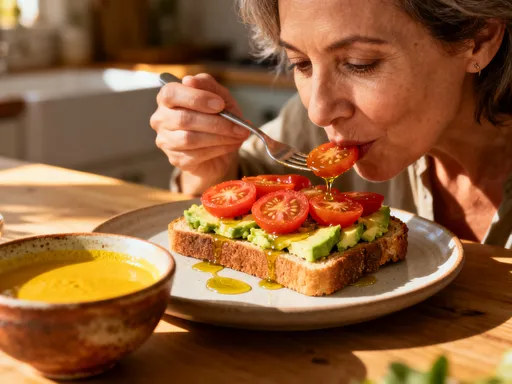
I began by increasing my intake of whole, minimally processed foods. I added more leafy greens, colorful vegetables, whole grains like oats and quinoa, and plant-based proteins such as beans and lentils. These foods are rich in fiber, vitamins, and antioxidants—all of which support immune function and reduce inflammation. I didn’t eliminate anything overnight. I simply upgraded. For example, instead of reaching for a packaged snack, I’d grab a handful of almonds or an apple with peanut butter. These swaps stabilized my blood sugar, reduced afternoon crashes, and kept me fuller longer.
One of the most impactful discoveries was the role of gut health in disease prevention. The gut microbiome—the trillions of bacteria in our digestive system—plays a crucial role in immunity, mood regulation, and even chronic disease risk. A diverse diet rich in fiber feeds beneficial bacteria, helping them thrive. I started including fermented foods like yogurt and sauerkraut, which contain probiotics, and eating a wide variety of plant foods to support microbial diversity. Studies show that people who consume 30 or more different plant-based foods per week have healthier gut profiles than those who eat fewer varieties.
This approach wasn’t about perfection. Some days, I still ate convenience foods or treats. But overall, my energy improved, I got sick less often, and I felt more in control of my health. Eating for resilience isn’t a short-term fix—it’s a lifelong practice of choosing foods that nourish and protect the body.
Movement That Fits: Exercise Without the Exhaustion
I’ll be honest: I’ve never been someone who loves the gym. The idea of spending an hour on a treadmill or lifting heavy weights felt daunting, even punishing. For years, I used that as an excuse to stay sedentary. But then I learned something important: exercise doesn’t have to be intense to be effective. In fact, the World Health Organization recommends just 150 minutes of moderate physical activity per week—about 20–25 minutes a day—to significantly reduce the risk of chronic diseases.
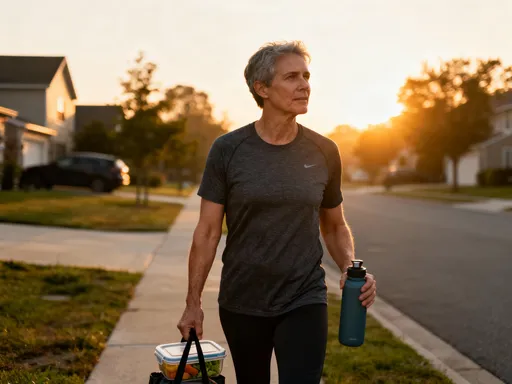
So I started small. I began taking 10-minute walks after meals. At first, it felt trivial—just a short stroll around the block. But over time, I noticed changes. My digestion improved, my mood lifted, and I slept better. These short bursts of movement added up. I also made small adjustments throughout the day: taking the stairs instead of the elevator, parking farther from store entrances, standing while talking on the phone. These aren’t workouts in the traditional sense, but they contribute to daily activity levels and keep the body moving.
One of the most encouraging changes was in my resting heart rate. After several months of consistent movement, I checked it one morning and realized it had dropped by nearly 10 beats per minute. A lower resting heart rate is a sign of improved cardiovascular fitness and is linked to longer life expectancy. I hadn’t run a mile or lifted a single dumbbell—I’d just moved more consistently. This taught me that exercise isn’t about punishment or performance. It’s about honoring your body’s need to move. And when movement becomes a regular part of life—not a chore, but a habit—it becomes one of the most powerful forms of disease prevention available.
Sleep and Stress: The Silent Game-Changers
For years, I treated sleep as a luxury—something to get to if I had time. I’d stay up late working, watching TV, or scrolling on my phone, then wonder why I felt groggy the next day. It wasn’t until I started tracking my sleep with a simple journal that I saw the connection between poor nights and my overall health. On nights when I slept less than seven hours, I was more likely to crave sugary foods, feel irritable, and catch a cold. The science is clear: sleep is essential for immune function, hormone regulation, and cellular repair.
I committed to a bedtime routine. Every night at 9 p.m., I began winding down. I turned off bright lights, avoided screens, and brewed a cup of caffeine-free herbal tea—usually chamomile or passionflower. I also practiced a five-minute breathing exercise: inhaling for four counts, holding for four, exhaling for six. This simple practice helped calm my nervous system and signaled to my body that it was time to rest. Within a few weeks, I was falling asleep faster and waking up feeling more refreshed.
At the same time, I addressed stress—the invisible factor that was quietly undermining my health. Chronic stress increases cortisol levels, which can suppress immune function, raise blood pressure, and contribute to weight gain. I didn’t eliminate stress—life will always have challenges—but I learned to manage it. Mindfulness, even in small doses, made a difference. Just five minutes of focused breathing each day helped me feel more grounded. I also started taking short breaks during the day to stretch or step outside, which gave me mental space to reset. These quiet habits didn’t feel dramatic, but over time, they became my hidden shield against illness.
Staying Consistent: Building Habits That Last
Motivation is fleeting. I’ve started many health routines with enthusiasm, only to lose steam after a few weeks. What finally helped me stick with these changes wasn’t willpower—it was strategy. I learned about habit stacking, a method where you link a new behavior to an existing one. For example, I started doing five minutes of stretching right after brushing my teeth in the morning. Because brushing was already automatic, the new habit attached to it naturally. Over time, it became just as routine.
I also scheduled weekly check-ins with myself. Every Sunday evening, I’d reflect: What worked well this week? What felt hard? Did I get enough sleep? Did I move every day? These weren’t judgmental reviews—they were compassionate assessments. If I’d slipped up, I didn’t criticize myself. I adjusted. Maybe I needed to prepare snacks in advance or reschedule walks to a better time of day. Flexibility, not perfection, was the key.
Now, over a year later, these habits are woven into my life. I don’t think about them much anymore—they’re just part of how I live. I still get occasional colds, but they’re milder and shorter. My energy is steadier, my mood is more balanced, and I feel more in control of my health. The biggest lesson I’ve learned is that disease prevention isn’t about one big change. It’s the compound effect of small, consistent actions. Each glass of water, each walk, each night of good sleep adds up. And over time, they build a foundation of resilience that no single pill or supplement can match.
Conclusion
True health isn’t found in dramatic transformations—it’s built through quiet, consistent actions that align with science and personal reality. By upgrading my routine with realistic standards, I’ve gained more energy, fewer illnesses, and greater peace of mind. This isn’t a cure-all, but a sustainable path anyone can take. Your health journey doesn’t need perfection—just persistence. Start small. Stay steady. Let prevention be your daily promise.