How My Hobby Became a 10-Year Lifeline for Better Health
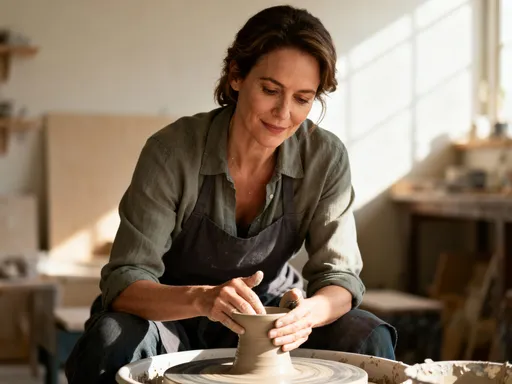
You know that thing you love doing just for fun? I never thought my weekend pottery class would turn into a decade-long health habit. But over time, this simple hobby reshaped my stress levels, sleep, and even how I handle daily challenges. Turns out, what feels like play might actually be one of the most effective long-term wellness strategies—backed by science and real-life results. What began as a way to unwind slowly revealed itself as a quiet but powerful force in maintaining emotional balance, mental clarity, and physical well-being. This is not about dramatic transformations or extreme regimens. It’s about the steady, cumulative power of doing something you enjoy—consistently, over years—and how that simple act can become a cornerstone of lifelong health.
The Hidden Power of Hobbies in Long-Term Wellness
Lifestyle habits are the quiet architects of long-term health. While diet and exercise often take center stage, there’s another category of behavior that quietly supports well-being: hobbies. These are not just pastimes or distractions. When practiced regularly, hobbies become emotional regulators—tools that help manage stress, restore energy, and foster a sense of control in an unpredictable world. Unlike one-off pleasures like watching a movie or eating dessert, hobbies involve engagement, repetition, and often a sense of progression. This consistency allows them to integrate into daily life as sustainable sources of joy and relief.
Research increasingly shows that people who engage in regular leisure activities report higher levels of life satisfaction and lower rates of depression and anxiety. A long-term study published in the British Journal of Psychiatry found that individuals who participated in creative or social hobbies had a significantly reduced risk of developing depression over a six-year period. The reason? Hobbies provide a mental break from routine stressors. They shift focus away from worries about work, family, or finances and redirect attention toward something absorbing and rewarding. This mental shift is not just a distraction—it’s a form of emotional regulation that helps reset the nervous system.
What makes hobbies particularly effective is their ability to deliver small, repeated doses of positive emotion. Unlike major life changes, which can be overwhelming or unsustainable, hobbies offer manageable moments of fulfillment. The cumulative effect of these moments—feeling proud of a finished painting, relaxed after a walk in the garden, or focused during a knitting session—builds resilience over time. This is the essence of sustainable wellness: not grand gestures, but consistent, enjoyable actions that support mental and physical health without requiring perfection or intensity.
Why Modern Life Makes Us Neglect Play (And Why It Hurts)
In today’s culture, productivity is often celebrated as the highest virtue. Being busy is worn like a badge of honor, while taking time for leisure can feel indulgent or even irresponsible. Many adults, especially women balancing work, parenting, and household responsibilities, report feeling guilty when they spend time on activities that don’t produce tangible results. This cultural bias toward output over experience has led to a quiet erosion of play in adult life. Hobbies are often the first thing to be cut when schedules get tight, dismissed as unimportant compared to work deadlines or family obligations.
But the cost of this neglect is high. Without regular outlets for enjoyment and creativity, stress accumulates. The body remains in a state of low-grade alertness, with elevated cortisol levels and reduced capacity for relaxation. Over time, this contributes to burnout, emotional fatigue, and even physical symptoms like tension headaches, digestive issues, and sleep disturbances. The absence of joyful activities doesn’t just make life less fun—it undermines health at a biological level.
Instead of engaging in meaningful leisure, many turn to passive forms of entertainment, such as scrolling through social media or binge-watching shows. While these activities may offer temporary relief, they lack the restorative qualities of active hobbies. Scrolling, for example, often increases feelings of comparison and inadequacy, while creative or physical hobbies promote a sense of agency and accomplishment. Working through weekends, skipping personal time, and viewing hobbies as optional luxuries all contribute to a cycle of depletion—one that’s difficult to break without intentional change.
The irony is that the people who feel they have the least time for hobbies are often the ones who need them most. High-achieving adults, particularly those in caregiving roles, are at increased risk for emotional exhaustion. Yet, because hobbies don’t come with measurable outcomes, they’re easily deprioritized. Recognizing this pattern is the first step toward reclaiming space for play—not as a reward for being productive, but as a necessary part of maintaining balance and well-being.
What Science Says About Hobbies and Health
Scientific evidence supports what many hobbyists intuitively know: engaging in enjoyable activities has measurable health benefits. Studies have shown that people who regularly participate in hobbies experience lower levels of cortisol, the hormone associated with stress. One study conducted by the University of California, Berkeley found that participants who spent just 30 minutes three times a week on a creative activity—such as drawing, writing, or crafting—reported significant reductions in anxiety and improvements in mood after four weeks. These changes were accompanied by physiological markers of relaxation, including lower heart rate and blood pressure.
Long-term engagement in hobbies is also linked to better cardiovascular health. Research published in the Journal of Epidemiology & Community Health followed over 6,000 adults for more than a decade and found that those who regularly engaged in leisure activities—especially physical or creative ones—had a lower risk of heart disease and stroke. The protective effect was independent of other factors like diet, exercise, and smoking, suggesting that the emotional and cognitive benefits of hobbies contribute directly to physical health.
From a neurological perspective, hobbies that induce a state of flow—complete absorption in an activity—are particularly beneficial. During flow, the brain shifts from a stress-dominant mode to a focused, calm state. Brain imaging studies show reduced activity in the prefrontal cortex, the area responsible for self-criticism and rumination, while regions associated with attention and reward become more active. This mental reset helps break the cycle of repetitive negative thinking, which is common in anxiety and depression. Over time, regular flow experiences can strengthen neural pathways associated with resilience and emotional regulation.
The key to reaping these benefits is consistency. While a single session of gardening or painting may provide a temporary mood boost, the real transformation occurs over months and years. The brain and body adapt to regular engagement in enjoyable activities, building a kind of emotional immunity. Just as physical exercise strengthens muscles over time, consistent participation in hobbies strengthens mental and emotional stamina. This is not a quick fix, but a long-term investment in well-being—one that pays dividends in improved focus, emotional stability, and overall quality of life.
Finding the Right Hobby: It’s Not About Talent, It’s About Fit
One of the biggest misconceptions about hobbies is that they must lead to mastery, recognition, or even income. Many people avoid starting a hobby because they believe they’re not talented enough—"I can’t draw," "I’m not musical," "I don’t have a green thumb." But the purpose of a hobby is not to achieve excellence. It’s to engage in something enjoyable, meaningful, and personally fulfilling. The right hobby isn’t defined by skill level, but by how it makes you feel: calm, curious, absorbed, or energized.
When choosing a hobby, the most important criteria are accessibility, enjoyment, and low pressure. Accessibility means the activity fits into your current lifestyle—financially, logistically, and time-wise. A hobby that requires expensive equipment or long commutes is less likely to be sustained. Enjoyment is self-explanatory: if you don’t look forward to doing it, it’s not the right fit. Low pressure means there are no rigid goals or expectations. The hobby should feel like a release, not another item on a to-do list.
There are many categories of hobbies to consider. Creative activities—such as painting, writing, pottery, or playing an instrument—offer a way to express emotions and explore imagination. Physical hobbies—like gardening, dancing, hiking, or woodworking—combine movement with engagement, supporting both mental and physical health. Mindful hobbies—such as knitting, puzzle-solving, or birdwatching—encourage presence and focus, helping to quiet a busy mind. The best approach is to experiment without expectation. Try a few different activities, pay attention to how you feel during and after, and let your preferences guide you.
It’s also important to remember that hobbies can evolve. What starts as casual sketching might lead to keeping a visual journal. A beginner’s yoga class might grow into a regular home practice. The goal is not to lock yourself into one activity forever, but to cultivate a mindset of curiosity and openness. By releasing the need to be good at something, you create space for genuine enjoyment—the kind that nourishes the soul and supports long-term health.
Building a Hobby Into Your Life—For the Long Haul
Starting a hobby is one thing; sustaining it over years is another. The biggest challenge is not lack of interest, but lack of time and consistency. Life gets busy. Responsibilities pile up. It’s easy to let personal time fall by the wayside. But the health benefits of hobbies depend on regular engagement. The good news is that building a lasting hobby habit doesn’t require dramatic changes. It starts with small, intentional steps.
Begin by starting small. Commit to just 15–20 minutes a week. This lowers the barrier to entry and makes the habit feel manageable. Schedule this time like any other appointment. Treat it as non-negotiable self-care, not something to be sacrificed when other demands arise. Pairing the new habit with an existing routine can also increase adherence. For example, listen to an audiobook while knitting, sketch during morning coffee, or take a short walk after dinner. These micro-moments of engagement add up over time.
Removing barriers is another key strategy. If you want to paint, keep your supplies visible and ready to use. If you enjoy journaling, keep a notebook by your bed. The easier it is to access your hobby, the more likely you are to do it. At the same time, avoid setting rigid goals. Don’t aim to finish a novel or master a song. Instead, focus on the process—the feeling of the clay in your hands, the rhythm of the stitches, the colors on the page. This shift from outcome to experience reduces pressure and increases enjoyment.
Maintaining motivation during busy or stressful periods requires flexibility. Some weeks, you may only have five minutes. That’s okay. Irregular participation is still participation. The goal is not perfection, but continuity. Over time, the habit becomes a source of stability—a reliable anchor in the midst of life’s storms. By protecting this time, you send a powerful message to yourself: your well-being matters.
Real-Life Benefits: What Changes After Years of a Consistent Hobby
After a decade of regular pottery practice, the changes in my life are not dramatic, but they are profound. My mood is more stable. I recover from stress more quickly. I sleep better. These shifts didn’t happen overnight. They emerged gradually, like layers of glaze building depth and shine. The most surprising benefit has been increased self-awareness. Through the act of creating, I’ve learned to recognize my emotional patterns—when I’m feeling overwhelmed, when I need quiet, when I’m avoiding something. The studio became a mirror, reflecting not just my skills, but my inner state.
Secondary effects have also appeared. I rely less on digital distraction. Instead of reaching for my phone when I feel restless, I reach for a sketchpad or a ball of clay. This has improved my focus and reduced mental clutter. I’ve also developed a stronger sense of identity beyond my roles as a mother, employee, or caregiver. The hobby reminds me that I am more than what I do for others—that I have my own interests, curiosities, and joys. This sense of self is a quiet but vital source of resilience.
Others who have maintained long-term hobbies report similar transformations. A woman who gardened for 12 years described feeling more grounded and patient. A man who played guitar regularly said it helped him process emotions he couldn’t put into words. These are not isolated anecdotes. They reflect a broader pattern: consistent engagement in enjoyable activities builds emotional strength, mental clarity, and a deeper connection to life. Over time, the hobby becomes less of an activity and more of a way of being—one that supports health in ways that are difficult to measure but easy to feel.
The cumulative effect of a decade-long hobby is not just improved well-being, but a richer, more textured life. It’s the difference between surviving and thriving. It’s the quiet confidence that comes from knowing you have a place—a practice, a ritual, a passion—that restores you, no matter what else is happening. This is the true power of long-term hobby engagement: it doesn’t just improve health. It enhances the quality of life itself.
Making Space for Joy: A Lifestyle Shift, Not a Quick Fix
At its core, maintaining a hobby is not about the activity itself. It’s about making space for joy. In a world that glorifies busyness and productivity, choosing to do something purely because it feels good is a radical act of self-care. It’s a declaration that your well-being matters—not just your output, your responsibilities, or your usefulness to others. Hobbies are not luxuries. They are essential practices that support mental, emotional, and physical health over the long term.
Reframing hobbies as preventive health can help overcome the guilt and hesitation that often block engagement. Just as we eat well and exercise to protect our bodies, we should engage in joyful activities to protect our minds. These practices buffer against stress, reduce the risk of chronic conditions, and improve overall life satisfaction. They are not distractions from a healthy life—they are foundational to it.
Waiting for free time is a common trap. Most people will never have extra hours to spare. The key is to create time, even if it’s small and irregular. Five minutes of doodling, ten minutes of stretching, a short walk with no destination—these moments matter. Over time, they accumulate into a powerful reservoir of well-being. The goal is not to add one more thing to your schedule, but to reclaim moments that already exist and infuse them with meaning and joy.
The most powerful health decisions are often the quietest. They don’t come from extreme diets, intense workouts, or medical interventions. They come from showing up, week after week, for something that brings you peace, focus, or delight. A hobby isn’t just something you do—it’s something you become. In choosing play, you choose presence. You choose self-compassion. You choose a life that is not just longer, but richer, deeper, and more fully lived.