You Won't Believe How Simple Staying Healthy Can Be
Living well isn’t about drastic changes—it’s about smart, everyday choices that add up. I used to think disease prevention meant extreme diets or endless gym hours, but I was wrong. After years of burnout and minor health scares, I discovered small, science-backed habits that made a real difference. This is not a miracle cure, but a realistic, manageable approach to long-term health. The truth is, most chronic diseases are preventable, not inevitable. And the power to protect yourself often lies in simple, consistent actions that fit naturally into your life. You don’t need perfection—just progress.
The Wake-Up Call: Recognizing the Need for Prevention
Many people ignore their health until a scare forces them to act. I was one of them. For years, I dismissed fatigue, frequent colds, and occasional joint stiffness as normal parts of aging or just the cost of a busy life. But when I found myself canceling plans due to exhaustion, I knew something had to change. That moment of realization—that my body was sending warning signals—was my wake-up call. Modern life, filled with constant demands, poor sleep, processed food, and emotional stress, quietly increases the risk of chronic diseases like type 2 diabetes, heart disease, and certain cancers. These conditions often develop over years, without obvious symptoms, until they reach a critical stage.
Prevention begins with awareness. It’s not just about avoiding illness; it’s about building resilience so your body can handle daily stressors without breaking down. You don’t need a formal diagnosis to start caring for your health. Minor symptoms like low energy, trouble concentrating, or disrupted sleep are early indicators that something is off. Listening to your body isn’t paranoia—it’s wisdom. When you pay attention, you can make adjustments before problems escalate. Health management is not reactive; it’s proactive. It means recognizing that your well-being is not a given, but something you actively maintain through daily choices.
One of the most powerful shifts I made was changing my mindset. Instead of viewing health as something that happens to me, I began to see it as something I influence every day. This sense of agency was liberating. I started tracking small patterns—how I felt after certain meals, how my mood changed with sleep quality, how stress affected my digestion. These observations helped me identify what supported my health and what undermined it. Prevention, at its core, is about tuning in and making informed decisions before problems take root. It’s the difference between waiting for a fire to start and installing smoke detectors and fire extinguishers in advance.
Fueling Your Body Right: Eating for Long-Term Defense
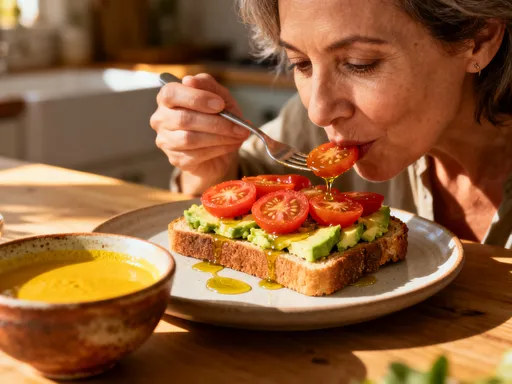
What you eat directly impacts your immune system, energy levels, and long-term disease risk. For a long time, I thought healthy eating meant strict diets, calorie counting, and giving up all my favorite foods. That approach left me feeling deprived and eventually led to burnout. The real breakthrough came when I shifted my focus from restriction to nourishment. Instead of asking, “What can’t I eat?” I began asking, “What can I add to fuel my body better?” This small change in perspective made all the difference. The foundation of long-term health is whole foods—those that are as close to their natural state as possible. Vegetables, fruits, whole grains, lean proteins, legumes, nuts, and seeds form the backbone of a protective diet.
Processed foods, especially those high in added sugars, refined grains, and unhealthy fats, contribute to chronic inflammation—a silent driver behind many diseases, including heart disease, arthritis, and even depression. When I reduced my intake of packaged snacks, sugary drinks, and fast food, I noticed changes within just a few weeks. My energy stabilized, my digestion improved, and I no longer experienced the afternoon crashes that used to derail my productivity. Eating for defense doesn’t mean perfection. It means making better choices more often. For example, swapping white bread for whole grain, choosing water over soda, or adding an extra serving of vegetables to dinner all contribute to long-term protection.
Meal planning became a game-changer for me. Without a plan, I was more likely to reach for convenience foods when tired or stressed. By dedicating a few hours each week to preparing simple, balanced meals, I made healthy eating automatic. I learned to batch-cook grains, roast vegetables in advance, and keep healthy snacks like sliced apples with almond butter or Greek yogurt on hand. This didn’t require gourmet skills—just consistency and intention. Over time, my taste buds adapted, and I began to crave nutritious foods naturally. Your plate should be colorful, varied, and mostly unprocessed. Think of food as information for your body—every bite either supports health or works against it.
Move It or Lose It: The Power of Daily Movement
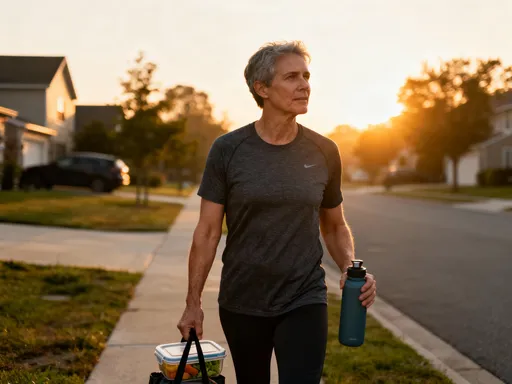
Exercise isn’t just for weight loss—it’s a powerful shield against chronic disease. I used to believe that unless I was sweating through an intense hour-long workout, I wasn’t doing enough. That mindset kept me from being active on days when I was tired or short on time. Then I learned that consistency beats intensity. Even 15 minutes of movement a day can make a meaningful difference. I started small: a brisk walk around the block, gentle stretching in the morning, or a few bodyweight exercises during TV commercials. These tiny efforts added up, and over time, they became habits I didn’t want to skip.
Regular physical activity improves circulation, lowers blood pressure, enhances insulin sensitivity, and supports both heart and brain health. It also helps regulate mood by reducing stress hormones and boosting endorphins. The beauty of movement is that it doesn’t require a gym membership or expensive equipment. Your body is the best fitness tool you have. Walking, climbing stairs, gardening, dancing in the kitchen—these are all valid forms of exercise. The key is to find activities you enjoy, because enjoyment increases the likelihood that you’ll stick with them. When exercise feels like a chore, it’s easy to quit. But when it feels good, it becomes self-reinforcing.
I discovered that variety kept me engaged. Some days I walked in nature, which also gave me fresh air and a mental reset. Other days I followed short online videos for strength training or yoga. The goal wasn’t to train for a marathon but to keep my body moving regularly. Research shows that even small increases in daily activity can reduce the risk of premature death and improve quality of life. Motion is medicine—simple, accessible, and effective. The longer I stayed consistent, the more I noticed improvements in my stamina, balance, and overall sense of well-being. Movement isn’t just about the body; it’s about feeling alive.
Sleep: The Overlooked Superpower
Poor sleep weakens immunity, impairs cognitive function, and increases the risk of chronic conditions like obesity, diabetes, and heart disease. I used to underestimate the importance of rest, treating late-night scrolling or TV binges as harmless indulgences. But when I started tracking my sleep, I realized I was getting only five or six hours a night—far below the recommended 7 to 8 hours for adults. Unsurprisingly, I felt groggy in the morning, irritable by midday, and mentally foggy in the afternoons. My body was running on fumes, and I didn’t even realize it.
Sleep is when your body repairs itself. During deep sleep, tissues heal, memories consolidate, and the immune system regenerates. Chronic sleep deprivation disrupts hormone balance, increases inflammation, and makes it harder to manage stress and cravings. Recognizing this, I decided to prioritize sleep as a non-negotiable part of my health routine. I started by setting a bedtime alarm—just like I would for a morning meeting. I also created a wind-down routine: turning off screens an hour before bed, dimming the lights, and reading a book or practicing gentle breathing exercises. These small changes signaled to my brain that it was time to rest.
Within a few weeks, the difference was remarkable. I woke up feeling refreshed, my mood stabilized, and my focus improved. I no longer needed multiple cups of coffee to get through the day. Quality rest isn’t lazy—it’s essential. It’s one of the most powerful things you can do for your long-term health. Good sleep supports emotional resilience, sharpens decision-making, and helps regulate appetite. When you’re well-rested, healthy choices feel easier. Protecting your sleep isn’t selfish; it’s an act of self-respect. By treating it as a priority, you give your body the foundation it needs to thrive.
Stress Control: Protecting Your Mind and Body
Chronic stress harms nearly every system in your body. It elevates cortisol, the stress hormone, which, when constantly high, can lead to weight gain, high blood pressure, weakened immunity, and digestive issues. I learned this the hard way. For years, I wore my busyness as a badge of honor, pushing through tension headaches, stomach discomfort, and constant mental chatter. I didn’t realize that my body was in a prolonged state of fight-or-flight—a survival mode never meant to be sustained long-term. Only when I began experiencing frequent colds and trouble sleeping did I connect the dots between stress and physical symptoms.
Lowering stress isn’t a luxury—it’s preventive care. When your nervous system is calm, your body can function optimally. I started exploring simple mindfulness practices that fit into my daily routine. Deep breathing, for example, took only a few minutes but helped me reset during stressful moments. I also began journaling, writing down my thoughts and worries to clear my mind. Even short walks in nature, without a phone or agenda, became a form of moving meditation. These small daily resets helped me regain a sense of balance and control.
What surprised me most was how quickly these practices improved my physical health. My digestion improved, my headaches faded, and I felt more emotionally stable. Stress management isn’t about eliminating all stress—that’s impossible. It’s about building resilience so you can respond to challenges without breaking down. Over time, I became more aware of my stress triggers and learned to pause before reacting. This mental space made a huge difference in my relationships and decision-making. Protecting your mind is just as important as protecting your body. When you care for your mental well-being, you create a stronger foundation for overall health.
Building Habits That Stick: The Real Secret
Knowledge isn’t enough—consistency is the real key to lasting change. I failed many times before I found a sustainable approach. I’d start strong with ambitious goals, only to lose motivation within weeks. The problem wasn’t my desire to change; it was my strategy. I was aiming for perfection instead of progress. The turning point came when I embraced the idea of tiny, sustainable changes. Instead of overhauling my entire lifestyle overnight, I focused on one small habit at a time. I started by drinking one extra glass of water each day. Once that felt natural, I added a five-minute walk after dinner. These micro-habits built confidence and momentum.
Habit stacking—linking a new behavior to an existing one—was another game-changer. For example, I paired stretching with brushing my teeth in the morning. Because brushing was already automatic, the new habit quickly followed. I also began tracking my progress in a simple journal, not to judge myself, but to stay aware and celebrate small wins. When I slipped up, I practiced self-compassion instead of self-criticism. Slip-ups are part of the process, not proof of failure. Health isn’t a destination; it’s a daily practice. The goal isn’t to be perfect every day, but to make better choices more often.
Over time, these small actions became part of my identity. I no longer saw myself as someone trying to be healthy—I became someone who naturally chooses healthy behaviors. That shift in self-perception was powerful. It meant I wasn’t forcing myself to do things I disliked; I was living in alignment with my values. The real secret to lasting change isn’t motivation—it’s systems. When your environment and routines support your goals, healthy choices become easier. Focus on progress, not perfection, and trust that small steps, taken consistently, lead to big results.
When to Seek Help: The Role of Professional Guidance
While self-care is powerful, it doesn’t replace professional medical advice. I’ve learned that prevention includes regular check-ups, blood work, and honest conversations with healthcare providers. I now schedule annual physicals, not just when something feels wrong. These visits help detect potential issues early, when they’re most treatable. My doctor reviews my blood pressure, cholesterol, blood sugar, and other markers, giving me a clearer picture of my internal health. These appointments are not just about numbers—they’re opportunities to ask questions, discuss concerns, and get personalized guidance.
Everyone’s body is different. What works for one person may not work for another. That’s why it’s important to consult a healthcare provider before making major changes to your diet, exercise routine, or supplement use. For example, certain diets or intense exercise programs may not be safe for people with underlying conditions. A doctor or registered dietitian can help you create a plan that’s both effective and safe. Preventive care also includes staying up to date on screenings—like mammograms, colonoscopies, or bone density tests—based on your age, family history, and risk factors.
Professional guidance isn’t a sign of weakness—it’s a sign of responsibility. It means you’re taking your health seriously and using all available resources to protect it. I’ve also found value in working with other professionals, like a physical therapist for posture issues or a counselor for stress management. These experts offer tools and support that complement self-care. Your health journey doesn’t have to be done alone. Seeking help is not failure; it’s wisdom. By combining self-awareness with professional insight, you create a comprehensive approach to well-being that’s both informed and sustainable.
Small Steps, Big Impact
True health management isn’t about quick fixes or extreme measures. It’s about the daily choices that protect your future self. The habits discussed—eating whole foods, moving regularly, prioritizing sleep, and managing stress—are simple, but their combined effect is powerful. You don’t need to do everything at once. Start with one small change. Add a serving of vegetables to your lunch. Take a 10-minute walk after dinner. Go to bed 15 minutes earlier. These actions may seem minor, but over time, they build a foundation of resilience and vitality.
Health is not a destination; it’s a continuous journey. There will be days when you don’t meet your goals, and that’s okay. What matters is your overall direction. Focus on progress, not perfection. Celebrate your efforts, not just your results. Every positive choice strengthens your body’s ability to heal, adapt, and thrive. By making self-care a daily practice, you’re not just preventing disease—you’re enhancing your quality of life. You’re giving yourself the gift of energy, clarity, and strength to enjoy the people and activities you love.
Remember, you don’t have to believe in miracles to see results. You just have to believe in small, consistent actions. The power to stay healthy is already within your reach. It’s not about being perfect—it’s about being persistent. Start today, start small, and trust that each step you take is building a healthier, stronger life—one smart choice at a time.