What If Your Daily Meals Could Turn Back Time?
Aging is inevitable, but how we age depends heavily on what we eat. Recent science shows that strategic dietary combinations—more than any single superfood—can significantly influence longevity, energy, and skin health. I’ve tested these pairings in my own routine, and the changes were noticeable. This isn’t about extreme diets or quick fixes. It’s about smart, science-backed food synergy that supports cellular health and slows aging from within. The way nutrients interact in your meals can either amplify or diminish their benefits. By understanding and applying these natural partnerships, you empower your body to maintain vitality, resist fatigue, and support long-term wellness—starting with every bite you take.
The Hidden Power of Food Pairing in Anti-Aging
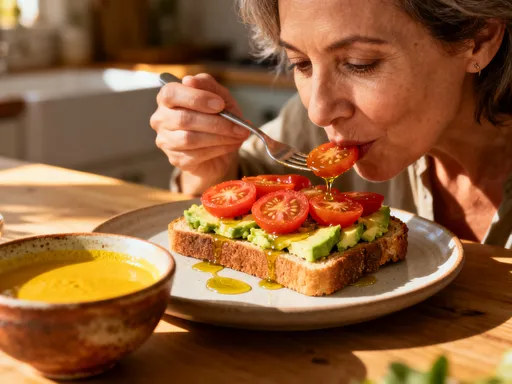
Food synergy—the idea that certain nutrients work better together than apart—is emerging as a cornerstone of anti-aging nutrition. While many people chase after individual 'superfoods,' research increasingly shows that the real magic happens when foods are combined thoughtfully. For example, eating tomatoes with olive oil enhances the absorption of lycopene, a powerful antioxidant linked to reduced cellular aging. Similarly, pairing iron-rich spinach with lemon juice boosts iron uptake, helping maintain energy and oxygen delivery throughout the body. These pairings aren’t accidental; they reflect how whole foods were meant to be consumed—as part of balanced, complementary meals.
Supplements, while sometimes helpful, often fail to replicate the benefits of whole-food combinations. A vitamin C pill may raise blood levels temporarily, but it lacks the fiber, phytonutrients, and natural co-factors found in a fresh orange eaten with a handful of almonds. These additional components support digestion, slow nutrient release, and improve overall bioavailability. In contrast, isolated nutrients can pass through the system without being fully utilized or, in high doses, even cause imbalances. The body thrives on complexity, not simplification.
Everyday meals already contain hidden examples of food synergy. Think of beans and rice, a staple in many cultures—when eaten together, they form a complete protein, providing all nine essential amino acids. Or consider traditional Mediterranean dishes like grilled fish drizzled with lemon and olive oil, which combine omega-3 fatty acids, vitamin C, and healthy fats in one anti-inflammatory meal. These culinary traditions evolved over centuries not just for taste, but because they support sustained health. Modern science is now confirming what ancestral diets have long demonstrated: food works best in partnership.
Oxidative Stress and Nutrition: What Really Fights Aging Cells
Oxidative stress is one of the key drivers of aging, yet it remains poorly understood by many. In simple terms, it occurs when unstable molecules called free radicals outnumber the body’s ability to neutralize them. These free radicals are natural byproducts of metabolism, but their levels increase with stress, pollution, poor diet, and sun exposure. When left unchecked, they damage DNA, proteins, and cell membranes—accelerating the visible and internal signs of aging, from wrinkles to weakened immunity.
Antioxidants are the body’s defense system against oxidative stress. Found abundantly in colorful fruits, vegetables, nuts, and spices, they donate electrons to stabilize free radicals, preventing cellular damage. However, not all antioxidants are equal, and more is not always better. High-dose antioxidant supplements have failed to show consistent benefits in clinical trials and may even interfere with the body’s natural defense mechanisms. The key lies in variety and synergy—consuming a wide spectrum of plant-based foods ensures a broad range of antioxidants, each targeting different types of free radicals.
Certain food pairings enhance antioxidant effectiveness. For instance, combining blueberries with walnuts offers both anthocyanins and vitamin E, two potent antioxidants that protect different parts of the cell. Similarly, adding a squeeze of lemon to a bowl of mixed berries increases the stability and absorption of flavonoids. Cooking tomatoes with a bit of olive oil not only increases lycopene absorption but also activates heat-stable antioxidants that raw tomatoes lack. These small, intentional combinations create a cumulative protective effect, helping cells stay resilient over time.
The goal is not to eliminate oxidative stress entirely—that would disrupt essential biological processes like immune function—but to maintain balance. A diet rich in diverse plant foods, prepared in synergistic ways, supports this equilibrium. Over months and years, this consistent support can lead to improved skin elasticity, sharper mental focus, and greater physical endurance. Aging gracefully isn’t about stopping time; it’s about giving your cells the daily tools they need to function at their best.
Fat-Soluble Vitamins Need a Partner: Why Eating Alone Isn’t Enough
Vitamins A, D, E, and K are essential for vision, bone health, immune function, and blood clotting, yet they share one critical requirement: dietary fat. These fat-soluble vitamins cannot be properly absorbed without the presence of fats in the meal. This means that even if you eat a salad loaded with spinach, carrots, and kale—rich in vitamins A and K—your body may not benefit fully if the meal lacks healthy fats. This explains why some people who follow very low-fat diets, despite eating plenty of vegetables, still experience nutrient deficiencies and dry skin, fatigue, or weakened immunity.
The solution lies in pairing these nutrient-dense foods with sources of healthy fats. Drizzling olive oil on a roasted vegetable medley, adding avocado slices to a green smoothie, or sprinkling chopped nuts on a leafy salad can dramatically increase vitamin absorption. For example, one study showed that adding avocado to a salad increased the uptake of beta-carotene (a precursor to vitamin A) by up to 15 times. Similarly, consuming vitamin K-rich broccoli with a small amount of butter or olive oil ensures the nutrient is effectively delivered to the liver and bones where it’s needed most.
Many women in their 40s and beyond reduce fat intake to manage weight, unaware that this may be working against their health goals. Chronic low-fat eating can impair hormone production, reduce skin moisture, and hinder the absorption of critical nutrients. Instead of avoiding fats, the focus should shift to choosing high-quality ones—avocado, extra virgin olive oil, nuts, seeds, and fatty fish. These not only aid vitamin absorption but also provide their own anti-aging benefits, such as reducing inflammation and supporting brain health.
Simple meal adjustments can make a significant difference. Try sautéing leafy greens in olive oil and garlic, blending flaxseeds into yogurt, or enjoying a piece of fatty fish with a side of roasted sweet potatoes and sautéed kale. These combinations are not only delicious but scientifically sound. By ensuring that fat-soluble vitamins are properly absorbed, you support not just short-term energy but long-term cellular resilience and organ function.
Vitamin C + Iron: A Dynamic Duo for Youthful Energy
Iron is crucial for energy production, as it helps carry oxygen in the blood. However, many women—especially those over 40—struggle with low iron levels, leading to fatigue, pale skin, and difficulty concentrating. While red meat provides heme iron, which is easily absorbed, plant-based sources like lentils, beans, tofu, and spinach contain non-heme iron, which is less efficiently utilized by the body. The good news is that vitamin C can increase non-heme iron absorption by up to six times, making this pairing a powerful tool for maintaining energy and vitality.
This synergy is especially important for those reducing meat intake or transitioning to more plant-forward diets. Without adequate vitamin C, even iron-rich meals may fall short. For example, a lentil soup packed with spinach loses much of its potential benefit if served without a source of vitamin C. But add a side of roasted red peppers or a squeeze of lemon, and the body can extract far more iron from the same meal. This simple addition can make the difference between feeling sluggish and staying energized throughout the day.
Practical ways to combine these nutrients include adding chopped bell peppers to bean salads, tossing citrus segments into grain bowls, or drinking a small glass of orange juice with breakfast oatmeal topped with pumpkin seeds. Even cooking in cast-iron cookware can increase iron content, especially when preparing acidic foods like tomato sauce, which leach small amounts of iron from the pan. When paired with vitamin C-rich tomatoes, the effect is doubled.
Over time, consistent pairing of vitamin C with plant-based iron supports stronger blood health, improved stamina, and a more radiant complexion. It also reduces reliance on supplements, which can cause digestive discomfort or iron overload in some individuals. This natural, food-based approach aligns with the body’s design, offering gentle yet effective support. For women managing busy households and personal health goals, this small dietary shift can yield noticeable improvements in daily well-being.
Turmeric and Black Pepper: The Gold Standard in Anti-Inflammatory Combos
Chronic inflammation is a silent contributor to aging, linked to joint stiffness, brain fog, and increased risk of long-term health issues. Turmeric, a bright yellow spice used for centuries in traditional cooking, contains curcumin—a compound with potent anti-inflammatory and antioxidant properties. However, curcumin is poorly absorbed on its own; most of it passes through the digestive tract without entering the bloodstream. This is where black pepper comes in. It contains piperine, a compound that can enhance curcumin absorption by up to 2,000%, making this pairing one of the most effective natural anti-aging strategies available.
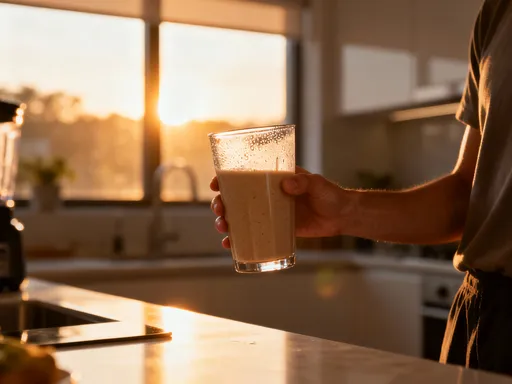
The combination doesn’t require supplements or complex preparations. Simply adding a pinch of black pepper to any dish containing turmeric activates the synergy. For example, stirring turmeric and black pepper into scrambled eggs, soups, or rice dishes transforms them into inflammation-fighting meals. Golden milk—a warm drink made with turmeric, black pepper, and plant-based milk—has gained popularity for good reason. When prepared with a healthy fat like coconut oil, it further enhances curcumin absorption, creating a triple synergy of spice, piperine, and fat.
Cooking with this duo regularly supports joint comfort, mental clarity, and skin health. Studies suggest that curcumin may help protect brain cells and support a balanced mood, which becomes increasingly important with age. Unlike pharmaceutical anti-inflammatories, which can carry side effects with long-term use, turmeric and black pepper offer a gentle, food-based alternative that fits seamlessly into daily life.
Start small: add 1/4 teaspoon of turmeric and a dash of black pepper to morning eggs, lentil stews, or roasted vegetables. Over time, this habit can contribute to reduced stiffness, better sleep, and a greater sense of well-being. It’s not about dramatic change but consistent, intelligent choices that work with the body’s natural processes. This ancient spice pairing proves that some of the most powerful health tools are already in your kitchen cabinet.
Probiotics Meet Prebiotics: Building a Gut Environment for Longevity
The gut microbiome—the trillions of bacteria living in the digestive tract—plays a surprisingly large role in how we age. A balanced microbiome supports immune function, regulates inflammation, and even influences mood and skin health. As we age, the diversity of gut bacteria tends to decline, which can lead to bloating, irregular digestion, and increased susceptibility to illness. The key to maintaining a healthy gut lies not just in consuming probiotics—live beneficial bacteria—but in feeding them with prebiotics, the fibers they thrive on.
Probiotics are found in fermented foods like yogurt, kefir, sauerkraut, and miso. These introduce helpful bacteria into the gut. But without prebiotics—found in foods like bananas, onions, garlic, oats, and asparagus—the probiotics may not survive or flourish. Think of probiotics as seeds and prebiotics as the soil. You can plant the best seeds, but without fertile soil, they won’t grow. Combining both in meals ensures that beneficial bacteria take root and multiply, creating a resilient gut ecosystem.
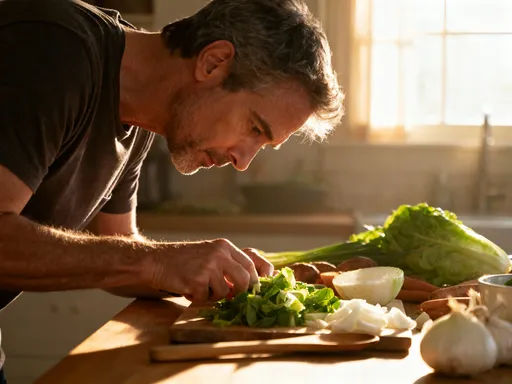
Simple pairings include topping yogurt with sliced banana and chia seeds, blending kefir with oats and berries, or sautéing garlic and onions as a base for soups and stews. These combinations not only support digestion but also enhance nutrient absorption and reduce systemic inflammation. A healthy gut lining prevents unwanted particles from entering the bloodstream, which can trigger immune responses and accelerate aging.
Over time, consistent intake of probiotic and prebiotic foods is linked to clearer skin, fewer colds, and more stable energy levels. Some research even suggests a connection between gut health and cognitive function, highlighting the gut-brain axis. For women managing family meals and personal wellness, prioritizing gut-friendly combinations is a practical, low-effort way to support long-term health. Unlike restrictive diets, this approach encourages abundance—more fiber, more fermented foods, more variety—making it sustainable and enjoyable.
Protein Pairing for Muscle Preservation After 40
After age 40, the body begins to lose muscle mass at a rate of about 3–8% per decade—a condition known as sarcopenia. This loss affects metabolism, balance, and overall strength, increasing the risk of falls and reducing independence over time. While exercise, especially resistance training, is crucial, nutrition plays an equally important role. Protein is the building block of muscle, but not all proteins are complete. Animal sources like eggs, dairy, and meat contain all nine essential amino acids, but plant-based proteins often lack one or more, making strategic pairing essential.
Combining different plant proteins throughout the day can create complete amino acid profiles. For example, beans are rich in lysine but low in methionine, while rice is high in methionine but low in lysine. When eaten together, as in a bowl of rice and beans, they form a complete protein comparable to meat. Similarly, pairing hummus (made from chickpeas) with whole-grain pita, or adding nuts to oatmeal, enhances the overall protein quality of the meal. These combinations are not only nutritious but also budget-friendly and accessible.
It’s important to distribute protein intake throughout the day, rather than consuming it all at dinner. Including a source of protein in each meal helps maintain muscle synthesis and prevents the breakdown of existing tissue. A breakfast of Greek yogurt with almonds, a lunch salad with lentils and pumpkin seeds, and a dinner of quinoa with black beans and vegetables provide steady support for muscle health. For those who include animal proteins, pairing them with vegetables—like grilled chicken with broccoli—adds fiber and antioxidants, improving overall meal quality.
Maintaining muscle isn’t just about strength; it also supports metabolic health. Muscle tissue burns more calories at rest than fat, helping regulate weight and blood sugar levels. For women navigating hormonal changes and slowing metabolism, preserving muscle through smart protein pairing is a proactive step toward long-term vitality. These choices don’t require drastic changes—just mindful combinations that honor both tradition and science.
Eating Smarter, Not Harder, as We Age
The journey of aging well doesn’t depend on perfection but on consistency. Small, intentional food pairings—like tomatoes with olive oil, spinach with lemon, or turmeric with black pepper—create cumulative benefits that support energy, skin health, and long-term wellness. These strategies are not about restrictive diets or expensive supplements; they are about working with the body’s natural processes, using real food as medicine. The science of food synergy shows that what matters most is not just what you eat, but how you combine it.
Each meal is an opportunity to nourish your cells, reduce inflammation, and protect against the effects of time. You don’t need to overhaul your entire diet overnight. Start with one change—add a drizzle of olive oil to your greens, include a serving of fermented food daily, or pair your beans with rice. Over weeks and months, these habits become second nature, leading to noticeable improvements in how you feel and look.
Food is not a cure-all, and individual needs vary. Always consult with a healthcare provider before making significant dietary changes, especially if managing health conditions or taking medications. But within the bounds of medical guidance, you have the power to influence your health trajectory through everyday choices. By embracing the wisdom of food synergy, you invest in a future of strength, clarity, and resilience. Aging is inevitable, but how you age is, in part, up to you.