Why I Finally Got Serious About Staying Healthy—And How It Changed Everything
For years, I ignored the small signs—low energy, frequent colds, trouble sleeping—thinking they were just part of life. But when my doctor mentioned preventable health risks, I realized I wasn’t managing my health, I was neglecting it. That moment sparked a shift. This is the real story of how I took control, not through extreme fixes, but with simple, consistent habits that actually work. It wasn’t about drastic diets or punishing workouts. It was about understanding that true health isn’t the absence of illness—it’s the presence of vitality, resilience, and daily intention. And once I began to see health this way, everything changed.
The Wake-Up Call: When Prevention Became Personal
The turning point came during a routine check-up. On paper, nothing was critically wrong. But the numbers told a different story. Slightly elevated blood pressure. A cholesterol level creeping into the caution zone. My doctor didn’t sound alarmed, but her words carried weight: "These are early warnings. They don’t mean you’re sick—but they do mean you’re at risk." That was the moment it hit me: feeling fine doesn’t always mean you’re healthy. Many serious conditions, like heart disease, type 2 diabetes, and hypertension, develop silently over years. There are often no dramatic symptoms—just subtle shifts that blend into the background of daily life.
Before that appointment, I believed health was something you addressed when something went wrong. I thought of doctors as repair specialists, not partners in long-term well-being. But preventive healthcare isn’t about waiting for a breakdown. It’s about routine maintenance—like changing the oil in your car before the engine fails. The human body is complex, but it sends signals. Persistent fatigue, occasional dizziness, slow recovery from minor illnesses—these aren’t just inconveniences. They’re invitations to look deeper. Ignoring them doesn’t make them go away; it only allows underlying imbalances to grow stronger.
Family history played a role in my awakening too. My mother struggled with high blood pressure in her 50s. My father developed prediabetes in his early 60s. At the time, I saw these as inevitable outcomes of aging. Now I understand they were likely the result of years of unnoticed risk factors—poor diet, lack of movement, chronic stress. Genetics may load the gun, but lifestyle pulls the trigger. That realization was both sobering and empowering. It meant that even if I was predisposed to certain conditions, I wasn’t powerless. I could influence my future through the choices I made today.
Rethinking Health Management: It’s Not Just About Sickness
Preventive healthcare is more than annual check-ups or occasional blood tests. It’s a mindset—a daily commitment to reducing risk and supporting the body’s natural ability to heal and protect itself. Too often, people equate health with the absence of disease. But true health is about thriving, not just surviving. It’s having the energy to play with your children, the strength to carry groceries up the stairs, the mental clarity to manage a busy schedule. Preventive care is the foundation that makes all of that possible.
Think of it like home maintenance. You wouldn’t wait for the roof to collapse before fixing a few missing shingles. You wouldn’t ignore a small leak until it caused mold in the walls. Yet many of us treat our bodies differently. We wait for pain, fatigue, or a diagnosis before making changes. This reactive approach is costly—not just financially, but in terms of quality of life. By the time symptoms appear, damage may already be done. Preventive health, on the other hand, is proactive. It’s about identifying vulnerabilities early and addressing them before they become crises.
This shift in thinking changed everything for me. Instead of viewing healthy habits as punishments or chores, I began to see them as investments. Every walk, every balanced meal, every good night’s sleep became a deposit into my long-term well-being. I stopped asking, "Do I have time for this?" and started asking, "Can I afford not to do this?" That simple question reframed my priorities. Health wasn’t something I would get to "someday." It was something I needed to protect every single day.
The Core Habits That Made the Difference
Change didn’t happen overnight. I didn’t overhaul my life in a week. Instead, I focused on four foundational habits: movement, nutrition, sleep, and stress management. These aren’t revolutionary ideas, but their impact is profound when practiced consistently. The key was making them sustainable—small enough to stick with, but meaningful enough to create change.
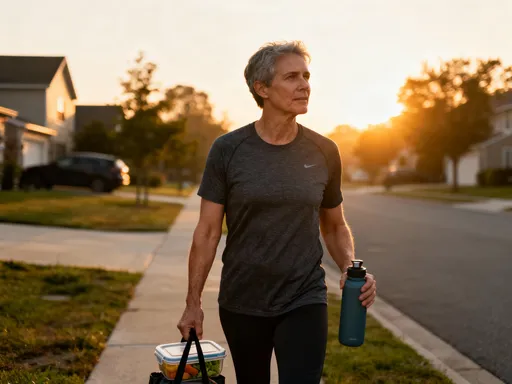
Movement came first. I started with just 15 minutes of walking each day. No gym, no special gear—just putting one foot in front of the other. Within weeks, I extended it to 30 minutes. I didn’t track steps or push for intensity. I simply moved, most days of the week. Over time, I added light strength training and stretching. The benefits were clear: my energy levels improved, my mood lifted, and I felt stronger. Movement became less of a task and more of a rhythm in my day—like brushing my teeth or drinking water.
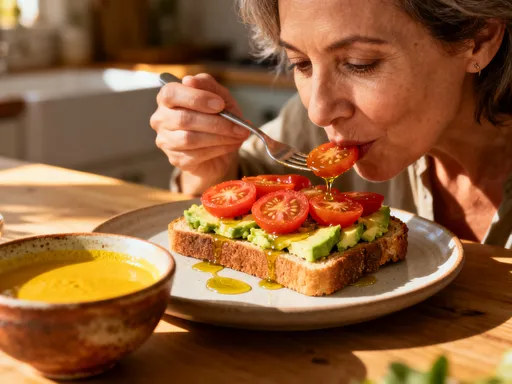
Nutrition was the next pillar. I didn’t follow a strict diet or eliminate entire food groups. Instead, I focused on balance and awareness. I began meal planning on Sundays, preparing simple, whole-food meals that included lean proteins, vegetables, whole grains, and healthy fats. I reduced processed foods, sugary drinks, and excessive salt—not by banning them completely, but by making them the exception, not the rule. Hydration became a priority too. I kept a water bottle with me and aimed to drink at least eight glasses a day. These changes weren’t about perfection. They were about progress—about making slightly better choices, more often.
Sleep was harder to master, but just as important. I used to stay up late scrolling through my phone, telling myself I was relaxing. In reality, the blue light and mental stimulation were disrupting my sleep cycle. I introduced a digital detox an hour before bed—no screens, just reading or light stretching. I also set a consistent bedtime and wake-up time, even on weekends. Within a few weeks, my sleep quality improved. I fell asleep faster, stayed asleep longer, and woke up feeling refreshed. Better sleep made it easier to stick with my other habits. It created a positive feedback loop: good sleep led to more energy, which made movement and healthy eating easier, which in turn supported better sleep.
Stress management was the final piece. Life doesn’t slow down, but how we respond to it can change. I started with mindfulness—just five minutes a day of focused breathing or quiet reflection. I also learned to recognize when I was overwhelmed and to give myself permission to pause. Saying "no" to extra commitments became an act of self-care. These small practices didn’t eliminate stress, but they helped me manage it more effectively. I noticed I was less reactive, more patient, and better able to handle challenges without feeling drained.
How Small Choices Add Up Over Time
One of the most powerful lessons I’ve learned is that health is not built in big leaps, but in small, consistent actions. The choices that seem insignificant today—taking the stairs instead of the elevator, choosing an apple over a cookie, standing up to stretch during a work break—compound over time. Like interest in a savings account, small habits generate returns that grow silently but steadily.
Consider hydration. Drinking one extra glass of water a day may not seem like much. But over a year, that’s more than 300 glasses—enough to support better digestion, clearer skin, and improved kidney function. Or think about walking. Thirty minutes a day adds up to 180 hours of movement each year. That’s 180 hours of improved circulation, stronger muscles, and reduced stress. These choices don’t require heroic effort, but they do require consistency. And consistency is where most people struggle—not because the actions are too hard, but because the results aren’t immediate.
The beauty of preventive health is that it doesn’t demand perfection. Missing a walk or eating a slice of cake isn’t a failure. What matters is the overall pattern. Did you move more than you sat? Did you eat more vegetables than processed snacks? Did you get enough rest? These are the questions that guide sustainable change. Over time, I noticed fewer colds, more stable moods, and a general sense of well-being. I wasn’t chasing a number on the scale—I was building a body and mind that could handle life’s demands.
Breaking Through the Excuses We All Make
We’ve all used the same excuses: "I don’t have time." "I’m too tired." "I’ll start next week." These aren’t lies—they’re reflections of real challenges. But they’re also barriers that can be overcome with the right mindset and strategies. The truth is, no one has extra time. We all have the same 24 hours. The difference is in how we use them. Health isn’t something you find time for—it’s something you make time for, by prioritizing it.
One of the most effective tools I discovered was the concept of tiny habits. Instead of committing to an hour at the gym, I started with two minutes of stretching. Instead of overhauling my diet, I began by adding one serving of vegetables to one meal a day. These micro-changes were so small they felt almost effortless. But they created momentum. Success bred confidence. And confidence made it easier to take the next step. Over time, two minutes became ten, then twenty. One serving of vegetables became two, then three.
Another barrier was the belief that change had to be all-or-nothing. I used to think that if I couldn’t do everything perfectly, I shouldn’t do anything at all. That mindset kept me stuck. Once I let go of perfection, progress became possible. I learned to celebrate small wins—the walk I took on a rainy day, the salad I chose for lunch, the night I went to bed on time. These moments weren’t dramatic, but they were meaningful. They reminded me that I was capable of making better choices, even on difficult days.
The Role of Knowledge and Monitoring
Knowledge is power, especially when it comes to health. Understanding my body’s signals and tracking key metrics gave me a sense of control. I didn’t become obsessed with numbers, but I did start paying attention. I learned what normal blood pressure and cholesterol levels were. I tracked my weight occasionally, not to obsess over it, but to notice trends. I paid attention to how I felt—my energy, my mood, my digestion.
Regular check-ups became non-negotiable. I scheduled annual physicals and followed up on any concerns. I asked questions. I kept a record of my lab results and reviewed them over time. This wasn’t about fear or anxiety—it was about awareness. When I saw a number trending in the wrong direction, I could adjust my habits before it became a problem. For example, when my cholesterol rose slightly, I increased my fiber intake and reduced saturated fats. Within a few months, it was back in a healthy range.
Open communication with my doctor was essential. I stopped treating appointments as formalities and started seeing them as collaborative conversations. I shared my goals, my challenges, and my progress. My doctor offered guidance, but also respected my autonomy. This partnership made me feel supported, not judged. It reinforced that preventive care isn’t about fixing flaws—it’s about optimizing health.
Building a Lifestyle That Protects Your Future Self
At its core, preventive healthcare is an act of self-respect. It’s a quiet commitment to the person you want to be in 10, 20, or 30 years. It’s about ensuring that you can still hike with your grandchildren, travel with your partner, or enjoy your hobbies without being limited by preventable conditions. The habits you build today aren’t just for your current self—they’re gifts to your future self.
When I look back, I see that my journey wasn’t about achieving a perfect body or a flawless routine. It was about creating resilience. It was about giving myself the tools to age with strength, dignity, and independence. I still have off days. I still face challenges. But now I have a foundation—habits that support me, knowledge that guides me, and a mindset that keeps me moving forward.
Prevention isn’t a one-time decision. It’s a daily practice. It’s the choice to walk, to eat well, to rest, to care. It’s not always exciting, but it’s always worthwhile. And while this path is deeply personal, it doesn’t have to be walked alone. Professional guidance, supportive communities, and reliable information are all part of the journey. The most important step is the first one—the moment you decide that your health matters, and that you’re worth the effort.