Need Relief? How Acupuncture and Massage Quietly Transformed My Daily Life
Ever felt stuck in a cycle of tension, fatigue, or nagging discomfort—without a clear fix? I was too, until I gave acupuncture and massage a real shot. Not as quick fixes, but as consistent tools for feeling better, moving easier, and sleeping deeper. This isn’t about miracles—it’s about small, science-backed shifts that add up. Let me walk you through how these ancient practices became my go-to for lasting health improvement. What began as a desperate search for relief turned into a sustainable routine that reshaped my energy, mood, and physical well-being in ways I never expected.
The Breaking Point: When Modern Life Took Too Much
For years, I believed exhaustion was just part of being a working parent. Juggling deadlines, school runs, household chores, and family needs left little room for self-care. My body paid the price—chronic shoulder stiffness, restless nights, and a constant low-grade headache that followed me like a shadow. I visited doctors, tried pain relievers, and even adjusted my diet, but nothing offered lasting relief. The scans came back normal, yet I didn’t feel normal. I was functional, but not thriving. The turning point came when I realized that just because something isn’t visible on an X-ray doesn’t mean it isn’t real. My nervous system was overworked, my muscles were holding onto stress, and my sleep patterns were disrupted. I needed a different approach—one that addressed not just symptoms, but the root patterns of tension and imbalance.
It was during a conversation with a friend that I first heard about acupuncture and therapeutic massage as more than occasional luxuries. She described how regular sessions helped her manage stress-related migraines and improve her sleep quality. Skeptical but desperate, I decided to explore these options with an open mind. I wasn’t looking for magic—I was looking for something that worked with my body, not against it. What surprised me most was how quickly I noticed subtle shifts. After just a few sessions, I slept more soundly, moved with greater ease, and felt less emotionally reactive. These weren’t dramatic breakthroughs, but they were real. For the first time in years, I felt like I wasn’t just surviving—I was beginning to recover.
What Acupuncture Really Is (And What It Isn’t)
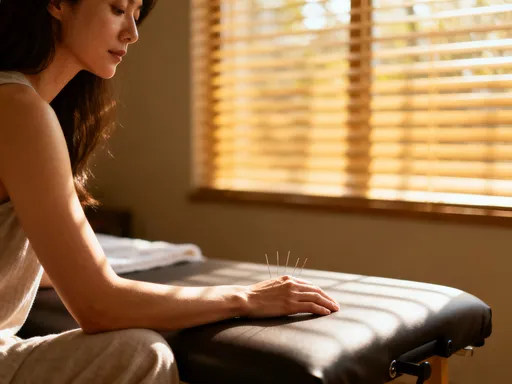
Acupuncture is an ancient healing practice rooted in traditional Chinese medicine, now supported by modern research. It involves the precise insertion of very thin, sterile needles into specific points on the body—known as acupoints—that correspond to energy pathways, or meridians. These points are believed to influence the flow of vital energy, or Qi (pronounced “chee”), which plays a role in regulating physical and emotional health. Today, acupuncture is widely recognized for its ability to support the nervous system, reduce pain, and promote relaxation. Importantly, it is not a mystical or supernatural process. Rather, it works through measurable physiological responses, such as stimulating nerve fibers, increasing endorphin release, and modulating inflammation.
One of the most common misconceptions about acupuncture is that it’s painful. In reality, most people report little to no discomfort during needle insertion. Many describe the sensation as a mild tingling, warmth, or heaviness—sometimes followed by a deep sense of calm. Some even fall asleep during sessions. Scientific studies, including those published in journals like Pain and JAMA Internal Medicine, have shown that acupuncture can be effective in managing chronic pain conditions such as lower back pain, neck pain, and osteoarthritis. It has also been studied for its role in reducing anxiety, improving sleep quality, and supporting digestive health. The World Health Organization and the National Institutes of Health both acknowledge acupuncture as a valuable complementary therapy.
However, acupuncture is not a cure-all. It does not replace medical diagnosis or treatment for serious conditions. Instead, it functions best as part of an integrative health strategy. The key to its effectiveness lies in consistency. A single session may offer temporary relief, but lasting benefits come from regular treatments—typically once or twice a month, depending on individual needs. Over time, many people report improved energy levels, reduced muscle tension, and a greater sense of emotional balance. For me, acupuncture became a form of preventive care, helping me stay resilient in the face of daily stressors rather than waiting until I was overwhelmed.
Massage: More Than Just a Relaxing Treat
While many people think of massage as a spa indulgence, it is, in fact, a powerful therapeutic tool with real health benefits. Clinical massage therapy is designed to improve circulation, release muscle tension, and support the body’s natural healing processes. Unlike casual rubdowns, therapeutic massage is tailored to individual needs and can target specific areas of discomfort or dysfunction. There are several evidence-based styles, each serving a different purpose. Swedish massage, with its long, flowing strokes, is excellent for relaxation and improving blood flow. Deep tissue massage applies more pressure to reach deeper muscle layers and connective tissues, making it ideal for chronic tension or injury recovery. Myofascial release focuses on the fascia—the connective tissue surrounding muscles—and can be particularly helpful for those with postural imbalances or repetitive strain.
For me, deep tissue massage was a game-changer. Years of sitting at a desk, carrying children, and neglecting stretching had created tight bands of muscle across my shoulders and upper back. These weren’t injuries, but they were causing real discomfort and limiting my mobility. After just a few sessions, I noticed a significant reduction in stiffness and an increased range of motion. My therapist used slow, deliberate pressure to break up adhesions and improve tissue elasticity. While the process wasn’t always comfortable—especially in the beginning—the results were undeniable. I could turn my head more easily, lift groceries without wincing, and sleep without waking up with a stiff neck.
Beyond the physical benefits, massage also has a profound effect on the nervous system. Regular sessions help shift the body from “fight-or-flight” mode into “rest-and-digest” mode—a state governed by the parasympathetic nervous system. This shift lowers cortisol levels, reduces heart rate, and promotes deeper, more restorative sleep. Research published in the Journal of Clinical Psychiatry has shown that massage therapy can significantly reduce symptoms of anxiety and depression. For busy women managing households and careers, this kind of nervous system reset is invaluable. It’s not just about feeling good in the moment—it’s about creating a foundation for long-term resilience and well-being.
Combining Both: Why Synergy Matters
While both acupuncture and massage are effective on their own, I found that using them together created a synergistic effect that amplified their benefits. Acupuncture works on a neurological and energetic level, helping to regulate the nervous system and reduce pain perception. Massage, on the other hand, addresses the physical manifestations of stress—tight muscles, poor circulation, and restricted movement. When combined, they create a comprehensive approach that supports both the body and the mind. Think of it like tuning an instrument: acupuncture adjusts the internal wiring, while massage smooths out the physical resistance.
I began scheduling my acupuncture session midweek and my massage toward the weekend. This rhythm allowed me to process the deeper release from acupuncture with the physical integration of massage. On acupuncture days, I felt a calming shift in my mood and energy. By the time Friday arrived, my body was more receptive to the deeper work of massage. I noticed that the muscle tension that used to take multiple sessions to loosen began to release more quickly. My therapist even commented that my tissues felt “softer” and more pliable after consistent acupuncture. This wasn’t coincidence—it was the result of reduced nervous system activation allowing muscles to truly let go.
The combination also helped me break cycles of pain and fatigue that had become habitual. For example, when I felt a headache coming on, I no longer reached for medication first. Instead, I used a combination of acupuncture points (sometimes stimulated with gentle pressure at home) and self-massage techniques learned from my therapist. Over time, I became more attuned to my body’s signals and could intervene earlier, preventing minor discomfort from escalating. This proactive approach not only reduced my reliance on pain relievers but also gave me a greater sense of control over my health.
Finding the Right Practitioners: Safety and Quality First
One of the most important lessons I learned was that not all practitioners are created equal. Just as you’d research a doctor or dentist, it’s essential to vet acupuncturists and massage therapists carefully. Licensing and training matter. In the United States, licensed acupuncturists typically complete a three- to four-year graduate program and pass national certification exams administered by the National Certification Commission for Acupuncture and Oriental Medicine (NCCAOM). For massage therapists, certification from accredited schools and state licensure are key indicators of professionalism and safety.
I started by asking for recommendations from trusted friends and reading online reviews on reputable platforms. I also made it a point to call clinics ahead of time and ask questions: Are you licensed? How long have you been practicing? Do you have experience working with clients who have chronic stress or tension-related pain? A good practitioner will welcome these questions and take time to explain their approach. During my first session, I paid attention to how well the therapist listened. Did they ask about my health history? Did they adjust pressure based on feedback? Were they respectful of boundaries? These may seem like small details, but they reflect a practitioner’s commitment to safe, personalized care.
Hygiene and professionalism are equally important. Needles must be single-use and sterile. Massage tables should be clean, and linens changed between clients. A reputable clinic will have clear policies in place and be transparent about their practices. I also looked for practitioners who viewed their work as part of a broader wellness journey, not just a transactional service. The best ones offered gentle guidance—such as breathing techniques or simple stretches—to support the work done during sessions. Building a trusting relationship with a skilled practitioner made all the difference in my experience and outcomes.
Building a Routine: Small Steps That Stick
One of the biggest challenges was making these practices sustainable. At first, I treated them as occasional treats—something I’d do when I had time or felt particularly bad. But I soon realized that consistency was key. Lasting change doesn’t come from intensity; it comes from regularity. I started with one session of each per month, then gradually increased to biweekly as I began to see results. This wasn’t about perfection—it was about progress. Even during busy seasons, I protected these appointments like I would a doctor’s visit, recognizing them as essential to my health.
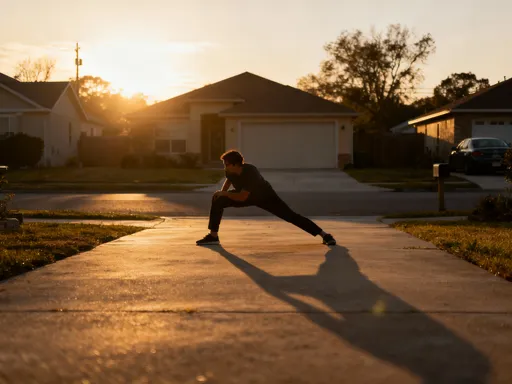
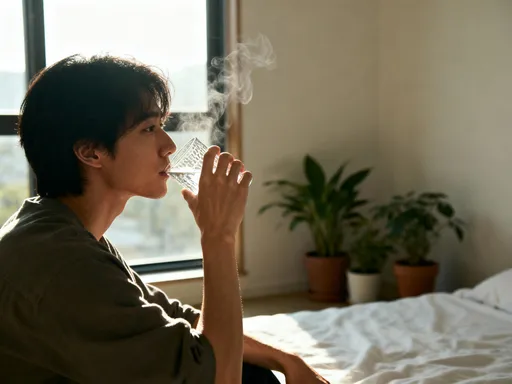
To enhance the effects, I paired my treatments with simple daily habits. Hydration became a priority—drinking plenty of water before and after sessions helped flush out metabolic byproducts and reduce post-massage soreness. I also incorporated gentle stretching, especially for my neck, shoulders, and hips, to maintain the mobility gained during massage. Mindful breathing exercises, practiced for just five minutes a day, helped reinforce the nervous system calm I experienced during acupuncture. Over time, these small habits became natural extensions of my self-care routine.
I also started tracking subtle improvements—what I call “quiet wins.” Instead of waiting for dramatic transformations, I celebrated things like sleeping through the night, feeling less jaw clenching during the day, or noticing that I could reach the top shelf without pain. These weren’t headline-grabbing changes, but they added up to a life that felt easier, calmer, and more balanced. I wasn’t chasing perfection; I was building resilience. And that, I’ve learned, is the true measure of well-being.
Real Talk: What to Expect (And When to See a Doctor)
It’s important to be realistic about what acupuncture and massage can do. Progress is rarely linear. There were weeks when I felt amazing, followed by others when old aches crept back. Acupuncture didn’t “fix” everything overnight, and massage didn’t erase years of wear and tear in a single session. These therapies work best when viewed as supportive tools within a broader health plan. They are not substitutes for medical evaluation, diagnosis, or treatment. If you have a serious medical condition, are pregnant, or are recovering from an injury, it’s essential to consult your healthcare provider before beginning any new therapy.
Some people may experience mild side effects, such as temporary soreness after massage or slight bruising at needle sites. These are usually minor and resolve quickly. However, if you experience pain, dizziness, or any concerning symptoms, stop the treatment and seek medical advice. It’s also important to communicate openly with your practitioner. If a technique doesn’t feel right, speak up. A good therapist will adjust their approach to ensure your comfort and safety. Remember, you are the expert on your own body. Trust your instincts.
Another common concern is cost. While insurance coverage for acupuncture and massage is improving, it’s not universal. Some plans cover acupuncture for specific conditions like chronic pain, while others offer partial reimbursement. Flexible spending accounts (FSAs) and health savings accounts (HSAs) can often be used to pay for these services. If budget is a concern, consider starting with less frequent sessions and gradually increasing as you assess benefits. Many clinics also offer package rates or community acupuncture options, which provide affordable access in a group setting. The goal is to find a rhythm that fits your life and supports your long-term health.
Conclusion: A Sustainable Path to Feeling Better
Acupuncture and massage didn’t transform my life in a single session—but they transformed it over time. By reducing chronic tension, improving sleep, and helping me reconnect with my body’s signals, they became essential parts of my well-being routine. What I once saw as indulgences, I now understand as investments in my health. These practices taught me that healing doesn’t always come from dramatic interventions. Often, it comes from quiet, consistent care—showing up for yourself week after week, even when progress feels slow.
For women juggling multiple roles, self-care is not a luxury—it’s a necessity. When we feel better physically and emotionally, we show up more fully for our families, our work, and ourselves. Acupuncture and massage offered me a way to break free from the cycle of stress and fatigue without adding more to my plate. They gave me tools to listen to my body, respond with compassion, and build resilience from the inside out. If you’ve been feeling stuck, overwhelmed, or just “off,” know that there is hope. Relief is possible. And sometimes, it begins with a single needle, a skilled hand, and the simple decision to prioritize your well-being.