Why Yoga Meets TCM for Real Wellness
For years, I chased quick fixes—until I discovered how yoga and Traditional Chinese Medicine (TCM) work together to restore balance. This isn’t about perfection; it’s about alignment. When breath meets energy flow, something shifts. I’ve felt it: deeper calm, more stamina, fewer crashes. It’s not magic—it’s science and tradition joining hands. If you’re tired of temporary solutions, this blend of ancient wisdom and mindful movement might be what your body’s been asking for.
The Modern Burnout Problem
In today’s fast-paced world, burnout is no longer an exception—it’s a common reality. Many women between 30 and 55 find themselves juggling family, work, and personal responsibilities with little time left for self-care. The result? Chronic fatigue, irritability, poor sleep, and a constant sense of being overwhelmed. These symptoms are often dismissed as part of 'adulting,' but they signal a deeper imbalance. Conventional approaches, such as medication or quick lifestyle tweaks, may offer short-term relief but rarely address the root causes of these issues.
Modern medicine excels at treating acute conditions, yet it often overlooks the subtle signals the body sends when energy systems are out of sync. This gap has led to a growing interest in integrative health practices. People are seeking solutions that honor the body’s complexity and support long-term resilience. Among these, the combination of yoga and Traditional Chinese Medicine has emerged as a powerful, evidence-supported path to sustainable wellness.
What makes this pairing so effective is its focus on prevention and harmony. Rather than waiting for illness to appear, yoga and TCM help maintain equilibrium before symptoms escalate. They recognize that emotional stress, poor digestion, and low energy are not isolated issues but interconnected expressions of imbalance. By tuning into the body’s natural rhythms, women can reclaim a sense of control and vitality without relying on external fixes.
What Is Traditional Chinese Medicine’s View of Health?
At the heart of Traditional Chinese Medicine lies a simple yet profound idea: health is not the absence of disease, but the presence of balance. TCM views the body as an integrated network of energy pathways, organs, and functions governed by universal principles. Central to this system are three core concepts—Qi (pronounced “chee”), Yin-Yang balance, and the Five Elements. Together, they form a comprehensive map of how the body maintains harmony and responds to internal and external changes.
Qi is the vital life force that flows through the body along channels known as meridians. When Qi moves freely, the body functions optimally. When it becomes blocked or depleted, symptoms such as fatigue, pain, or emotional disturbances arise. Unlike Western medicine, which often isolates symptoms, TCM sees these as signs of underlying energetic disruption. For example, frequent headaches might not just be a neurological issue but could reflect stagnant liver Qi due to stress or poor emotional regulation.
The balance between Yin and Yang represents the dynamic interplay of opposing yet complementary forces—cooling and warming, rest and activity, inward and outward energy. Just as day turns into night, the body naturally shifts between these states. When one dominates for too long—such as excessive Yang from overwork or stress—imbalance occurs. TCM aims to restore this rhythm, ensuring neither force overwhelms the other.
The Five Elements—Wood, Fire, Earth, Metal, and Water—further refine this understanding by linking bodily organs, emotions, and seasons. Each element corresponds to specific organs and emotional patterns. For instance, the Wood element governs the liver and is associated with anger and frustration, while the Earth element relates to the spleen and digestion and is tied to worry. By identifying which element is out of balance, a TCM practitioner can tailor dietary, lifestyle, and herbal recommendations to support healing.
Diagnosis in TCM is highly individualized. Practitioners use tools like pulse reading, tongue analysis, and detailed questioning to assess a person’s unique constitution. A pale tongue with a thin coating might indicate Qi deficiency, while a rapid, wiry pulse could point to liver stagnation. This personalized approach allows for targeted interventions that go beyond generic advice, making TCM a deeply resonant system for those seeking lasting change.
How Yoga Supports the Body’s Natural Rhythms
Yoga, with its roots in ancient Indian philosophy, shares a similar vision of health as balance and integration. While its physical postures—known as asanas—are widely recognized, yoga’s true power lies in its holistic approach to well-being. It combines movement, breath, and mindfulness to influence the nervous system, circulation, and emotional state. When practiced consistently, yoga helps regulate the body’s stress response, promoting a shift from the fight-or-flight mode of the sympathetic nervous system to the rest-and-digest state governed by the parasympathetic system.
This shift is not just theoretical; it’s measurable. Studies have shown that regular yoga practice can lower cortisol levels, reduce blood pressure, and improve heart rate variability—all indicators of improved stress resilience. For women managing busy households and careers, these benefits are invaluable. The ability to pause, breathe, and reset the nervous system can transform daily life, reducing reactivity and increasing emotional clarity.
Beyond the nervous system, yoga enhances circulation and supports detoxification. Twisting poses, inversions, and forward bends stimulate internal organs, encouraging the flow of blood and lymph. This improved circulation aids digestion, reduces bloating, and supports liver function—all of which align closely with TCM’s emphasis on smooth Qi flow. Even gentle movement can activate sluggish energy, helping women feel more grounded and energized.
Scientific research continues to validate yoga’s impact on key health markers. Clinical trials have demonstrated its effectiveness in reducing inflammation, a root cause of many chronic conditions. It has also been shown to improve sleep quality by regulating melatonin production and calming the mind. Additionally, yoga’s influence on mood is well-documented, with multiple studies linking practice to reduced symptoms of anxiety and depression. These benefits are not limited to intense sessions; even 15 to 20 minutes of daily practice can yield noticeable improvements.
What makes yoga especially accessible is its adaptability. It does not require perfect flexibility or hours of practice. A simple sequence of seated stretches, gentle backbends, and mindful breathing can be profoundly restorative. For women navigating perimenopause or recovering from illness, modified poses offer safe ways to rebuild strength and stamina. The emphasis is not on performance but on presence—listening to the body and honoring its needs in each moment.
Where Yoga and TCM Intersect: The Meridian Connection
One of the most fascinating overlaps between yoga and TCM is their shared understanding of energy pathways. While TCM identifies twelve primary meridians through which Qi flows, yoga’s subtle body system describes nadis—energy channels that carry prana, or life force. Though named differently, these systems describe similar energetic maps. Both recognize that physical postures and breath practices can influence the movement of energy, clearing blockages and restoring flow.
Specific yoga poses can directly stimulate TCM meridians. For example, forward bends like Paschimottanasana (seated forward fold) gently compress the back body, activating the Bladder and Kidney meridians. In TCM, the Kidney system is considered the foundation of vitality, storing essential Qi and governing growth, reproduction, and resilience. When these meridians are supported, women often report feeling more grounded, less anxious, and better able to manage stress.
Twisting poses, such as Ardha Matsyendrasana (half lord of the fishes pose), target the torso and stimulate the Liver and Gallbladder meridians. In TCM, the liver is responsible for the smooth flow of Qi and emotions. When liver Qi becomes stagnant—often due to stress, frustration, or lack of movement—it can lead to irritability, headaches, and digestive discomfort. Twists help release this stagnation, promoting both physical detoxification and emotional release. Many women notice a sense of lightness after a twisting sequence, not just in the body but in the mind.
Backbends like Bhujangasana (cobra pose) open the front of the body, benefiting the Heart and Lung meridians. The lungs, in TCM, are linked to grief and the ability to let go. A strong, open chest supports deeper breathing and emotional resilience. Similarly, hip openers such as Baddha Konasana (butterfly pose) activate the Spleen and Liver meridians, supporting digestion and emotional processing. These poses can feel vulnerable, but they offer profound opportunities for release, especially for women carrying long-held tension in the hips and pelvis.
The combined effect of these practices is cumulative. Over time, regular yoga practice helps maintain open meridians, reducing the likelihood of Qi stagnation. This synergy supports not only physical health but emotional balance, making it easier to navigate life’s inevitable challenges with grace and composure.
Breath as a Bridge: Pranayama Meets Qi Cultivation
If movement opens the pathways, breath is the current that moves energy through them. In yoga, breath control—known as pranayama—is a foundational practice. In TCM, the cultivation of Qi through slow, intentional breathing is central to practices like Qi Gong and meditation. Though they arise from different traditions, both systems recognize that the breath is a direct link between the body and mind, a tool that can calm the nervous system, enhance focus, and vitalize the organs.
One of the most accessible techniques shared by both systems is diaphragmatic breathing. Also known as belly breathing, this practice involves drawing air deeply into the lower lungs, allowing the abdomen to rise with each inhale. This type of breathing activates the vagus nerve, a key component of the parasympathetic nervous system. The result is a natural reduction in heart rate and muscle tension, creating a physiological state of safety and relaxation.
In TCM, deep abdominal breathing is believed to strengthen the Kidney and Spleen systems, both of which are vital for energy production and immune function. The kidneys, as the root of Qi, benefit from slow, nourishing breaths that mimic the rhythm of rest and restoration. Meanwhile, the spleen, which governs digestion and transformation, thrives on regular, rhythmic breathing that supports metabolic efficiency.
A simple daily practice can make a significant difference. Try this: each morning, sit comfortably with a straight spine and place one hand on the belly. Inhale slowly through the nose for a count of four, feeling the abdomen expand. Hold for a moment, then exhale for a count of six, drawing the navel gently toward the spine. Repeat for five to ten minutes. This extended exhale enhances the calming effect, signaling the body that it is safe to rest. Over time, this practice can improve lung capacity, support heart health, and reduce daytime fatigue.
For women experiencing hot flashes or mood swings, this breathwork offers a natural way to regulate internal temperature and emotional reactivity. Unlike medications that mask symptoms, breath practices empower women to influence their physiology directly. They require no special equipment, can be done anywhere, and yield benefits within days of consistent practice.
Daily Integration: Practical Steps for Balanced Living
The true power of yoga and TCM lies not in occasional practice but in daily integration. Lasting wellness emerges from small, consistent choices that honor the body’s natural rhythms. A structured yet flexible routine can make this integration effortless. Begin with a morning ritual: upon waking, spend five minutes in gentle stretches—cat-cow on the hands and knees, a seated forward bend, and a few rounds of diaphragmatic breathing. This sequence awakens the spine, stimulates circulation, and sets a calm tone for the day.
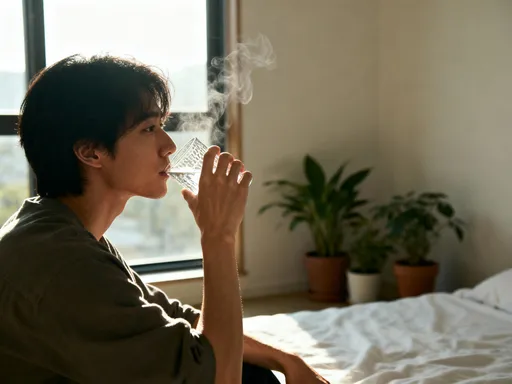
Follow this with hydration. In TCM, warm water with lemon is preferred over ice-cold drinks, as it supports digestive fire and spleen function. Avoid rushing into tasks; instead, allow a few moments of stillness to center the mind. A simple intention, such as “Today, I move with awareness,” can reinforce mindful living.
In the evening, shift toward rest. A short yoga sequence—perhaps a reclining twist, legs-up-the-wall pose, and a guided body scan—can signal the body that it’s time to wind down. These poses activate the parasympathetic nervous system, easing the transition into sleep. Pair this with a warm, nourishing tea such as chamomile or passionflower, both of which are valued in TCM for their calming properties.
Lifestyle adjustments further enhance this balance. Hydration throughout the day supports lymphatic flow and kidney function. Prioritizing rest cycles—going to bed before 11 p.m., when liver detoxification peaks—aligns with TCM’s circadian wisdom. Seasonal eating, such as consuming warming soups in winter and cooling fruits in summer, helps the body adapt to environmental changes. These practices are not rigid rules but gentle guidelines that honor the body’s innate intelligence.
Consistency matters more than intensity. A ten-minute daily practice is more effective than an hour-long session once a week. The goal is not perfection but presence—showing up for yourself, day after day, with kindness and patience. Over time, these small acts accumulate into profound transformation.
When to Seek Professional Guidance
While self-practice is empowering, it is not a substitute for professional care. Women with chronic conditions such as hypertension, autoimmune disorders, or hormonal imbalances should consult licensed healthcare providers. Integrative approaches work best when they complement, rather than replace, medical treatment. A certified yoga therapist can tailor sequences to support specific health needs, such as reducing joint strain or improving respiratory function.
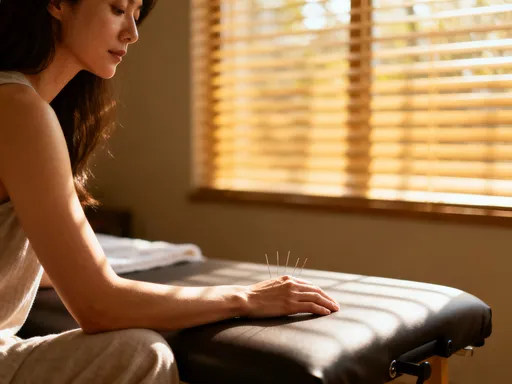
Likewise, a licensed TCM practitioner can provide personalized herbal formulas, acupuncture, or dietary recommendations based on a thorough assessment. These interventions go beyond general advice, addressing constitutional imbalances that may not be visible on the surface. For example, a woman struggling with fatigue may benefit from a customized herbal blend that strengthens spleen Qi, rather than generic energy boosters.
It’s also important to recognize when emotional support is needed. While yoga and TCM can improve mood, they are not replacements for mental health counseling when depression or anxiety is severe. A holistic approach includes knowing when to ask for help and embracing all forms of care as part of the wellness journey.
Real wellness is not a destination but a continuous process of listening, adjusting, and growing. It requires humility, patience, and the willingness to honor both ancient wisdom and modern science. By uniting the mindful discipline of yoga with the holistic insight of TCM, women can access a deeper level of health—one that supports not just longevity, but vitality, clarity, and peace.